

When you step foot on Chinese soil, every brick and tile you see, every meal you taste, may hide cultural symbols that have been precipitated for thousands of years. These symbols are the spiritual totems of the Chinese people, the language of communication across time and space, carrying the wisdom and feelings of the Chinese nation. Among them, the Spring Festival, calligraphy, porcelain and traditional Chinese Medicine (TCM) are like four lighthouses, illuminating the bright galaxy of Oriental Culture and becoming the key to understanding China for foreign tourists.
![图片[1]-Chinese Cultural Symbols - Spring Festival, Calligraphy, Porcelain, Traditional Chinese Medicine](https://www.dgcity.com/wp-content/uploads/2026/01/image-102.png)
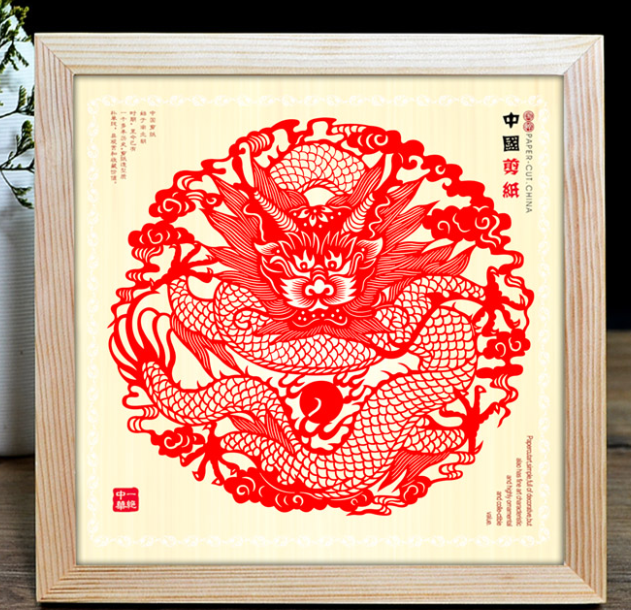
The Spring Festival, the most grand traditional festival in China, is a cultural memory engraved in the genes of every Chinese person, and also the best carrier to show family warmth and folk customs. On the first day of the first lunar month every year, this weeks-long carnival kicks off. From the 23rd day of the twelfth lunar month (the “Kitchen God Festival”) to the 15th day of the first lunar month (the “Lantern Festival”), each link has a unique meaning. Before the festival, every household is busy cleaning, pasting Spring Festival couplets and cutting window grilles. The red paper with black characters of Spring Festival couplets carries wishes for the new year, and the exquisite window grilles freeze auspicious patterns on the window frames. On New Years Eve, the whole family sits together for the reunion dinner. Dishes such as dumplings, fish and rice cakes have their own meanings: dumplings symbolize reunion, fish represents “surplus year after year”, and rice cakes stand for “stepping up to a higher position”. At the beginning of the new year, people visit relatives and friends to pay New Years greetings, and elders give red envelopes to younger generations, conveying wishes for peace and smoothness. Today, the Spring Festival is not only a festival for the Chinese people, but also a cultural feast shared by the world. The celebrations of overseas Chinese and folk performances in China let this reunion Culture cross national borders and warm peoples hearts.
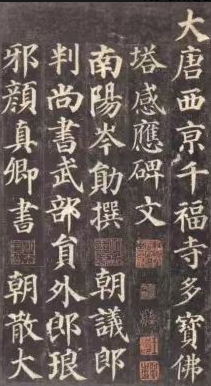
Calligraphy is a unique line art in China, known as “poetry without words, dance without lines, painting without pictures, and music without sound”. It takes Chinese characters as the carrier and brush, ink, paper and inkstone as tools, showing the Chinese peoples aesthetic pursuit and spiritual realm within a limited space. The charm of calligraphy lies in its ever-changing brushwork and composition. Regular script is dignified and neat, like a gentleman standing and acting, showing calmness and grandeur; Running script is smooth and natural, like flowing clouds and flowing water, combining practicality and artistry; Cursive script is unrestrained and bold, like surging waves, carrying the creators emotional release; Clerical script is simple and thick, like ancient stone inscriptions, precipitating the vicissitudes of history. Practicing calligraphy is not only the polishing of skills, but also the process of self-cultivation. The Chinese often say “the writing reflects the writer”. The weight, speed, thickness and dryness between the brush and ink all reflect the writers mood and character. Today, whether it is ancient inscriptions in Museums or calligraphy plaques on streets and lanes, we can see the inheritance of this art. It has long transcended the function of text recording and become a spiritual symbol of Chinese Culture.
![图片[2]-Chinese Cultural Symbols - Spring Festival, Calligraphy, Porcelain, Traditional Chinese Medicine](https://www.dgcity.com/wp-content/uploads/2026/01/image-101.png)
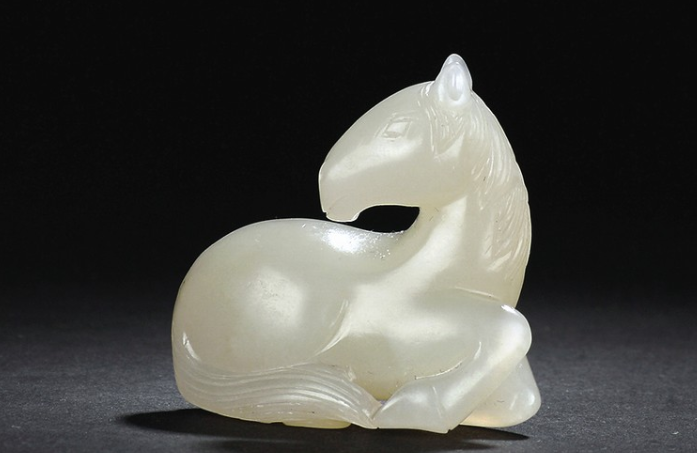
Porcelain is a cultural treasure presented by China to the world. In English, the word “China” refers to both China and porcelain, which shows its important position in world culture. The development history of Chinese porcelain is a history of continuous innovation and breakthrough. From primitive celadon to the gorgeous Tang Sancai, from the simple and elegant Song porcelain to the exquisite blue and white porcelain of the Ming and Qing dynasties, porcelain of each era is branded with the craft level and aesthetic fashion of the time. The production process of porcelain is complex and exquisite. From material selection, washing, throwing, trimming to glazing and firing, each step tests the craftsmans patience and skills. Among them, blue and white porcelain, with its unique beauty of “white glaze and blue flowers fired in one fire, flowers showing clearly through the glaze”, has become the most representative type of porcelain. The blue patterns set off by white glaze are fresh, elegant and meaningful. For thousands of years, Chinese porcelain has been exported overseas through the Silk Road, becoming an important medium for cultural exchanges between the East and the West. It is not only a practical utensil, but also carries the Chinese peoples yearning and pursuit for a better life.
traditional Chinese Medicine (TCM) is the crystallization of the wisdom of the Chinese nation, a unique system of life cognition and health maintenance, which has thrived through thousands of years of practice. Different from Western medicines symptomatic treatment, TCM emphasizes “the unity of man and nature” and “treatment based on syndrome differentiation”. It holds that the human body is an organic whole, interrelated with the natural environment and social environment, and the occurrence of diseases is the result of imbalance of yin and yang and poor flow of qi and blood. TCM has a variety of diagnostic and therapeutic methods, such as acupuncture, tuina, traditional Chinese medicine, cupping, etc., which can not only treat diseases, but also regulate the body. Acupuncture stimulates acupoints on the human body to regulate meridians, qi and blood, so as to strengthen healthy qi and eliminate pathogenic factors. Now it has been included in the list of intangible cultural heritage of humanity. Traditional Chinese medicine uses natural animals and plants as raw materials, follows the compatibility principle of “monarch, minister, assistant and guide”, treats both symptoms and root causes, and shows the Chinese peoples concept of harmonious coexistence with nature. TCM is not only a medical science, but also contains profound philosophical thoughts. It Teaches people to conform to nature and respect life, and has become an indispensable part of Chinese culture.
![图片[3]-Chinese Cultural Symbols - Spring Festival, Calligraphy, Porcelain, Traditional Chinese Medicine](https://www.dgcity.com/wp-content/uploads/2026/01/image-100.png)
These four cultural symbols are just the tip of the iceberg in the treasure house of Chinese traditional culture. They are like a link connecting the past and the present, allowing everyone who enters China to feel the profound heritage of Oriental culture. Whether it is the reunion warmth of the Spring Festival, the artistic conception of calligraphy brush and ink, the craftsmanship beauty of porcelain, or the health preservation wisdom of TCM, they all tell the unique charm of Chinese culture. When you personally experience the charm of these cultural symbols, you will truly understand China and the spiritual code of this ancient nations vitality.




暂无评论内容