

In the vast river of China’s traditional Culture, paper cutting stands out as a timeless cultural symbol with its simple yet vivid artistic form and profound folk connotations. This traditional handicraft, which uses paper as the medium and scissors as the brush, has a history of more than 2,000 years. Listed in the Representative List of the Intangible Cultural Heritage of Humanity in 2009, it has become a common cultural treasure of all mankind and an important window for foreign tourists to understand Chinese folk culture.
![图片[1]-Chinese Paper Cutting – Millennium Intangible Cultural Heritage Handicraft](https://www.dgcity.com/wp-content/uploads/2026/01/image-65.png)
The origin of paper cutting can be traced back to the Western Han Dynasty. Before paper became popular at that time, ancient people used gold foil, leather, silk and other materials to create decorative patterns through cutting, carving and hollowing out. With Cai Lun improving papermaking technology in the Eastern Han Dynasty, the popularization of paper laid a solid foundation for the development of paper cutting art. This craft gradually moved from the decorative art of the royal family and nobles to the daily life of ordinary people. From festival decorations to life rituals, from belief expression to aesthetic pursuit, paper cutting permeated every aspect of the life of ancient Chinese people, becoming an important carrier of emotions and Culture.
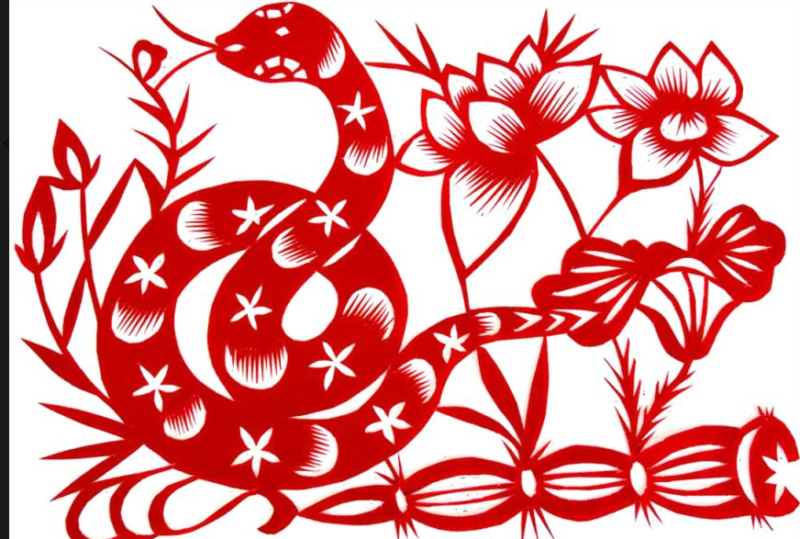
The artistic charm of Chinese Paper Cutting lies in its simple yet sophisticated creative techniques and rich cultural implications. During creation, artisans only use a pair of scissors or a carving knife to outline a colorful world on a piece of thin paper without complex sketches. Its techniques are diverse, including cutting, carving, Tearing and ironing, each with its own characteristics. The lines are either bold and neat or gentle and graceful. Through the layout of the interplay between emptiness and solidity, density and sparseness, the flat paper radiates a three-dimensional sense of hierarchy. In terms of themes, paper cutting is closely linked to folk life, covering flowers, birds, fish, insects, character stories, auspicious patterns and many other categories: peonies symbolize prosperity and good luck, bats imply “the arrival of good fortune”, dragon and phoenix patterns represent joy and completeness, while fish patterns meaning “surplus year after year” and crop patterns symbolizing “bumper harvest of grain” embody the ancient people’s yearning for a better life.
![图片[2]-Chinese Paper Cutting – Millennium Intangible Cultural Heritage Handicraft](https://www.dgcity.com/wp-content/uploads/2026/01/image-66.png)
Paper cutting from different regions highlights distinct regional cultural characteristics, forming the diverse style of Chinese Paper Cutting art. Northern Shaanxi paper cutting is bold and unconstrained with sharp edges and corners, carrying the grandeur of the Loess PlaTeau. It mainly focuses on folk scenes and auspicious patterns, full of life vitality; Jiangnan paper cutting is delicate, graceful and elegant, just like the misty rain in the Jiangnan water towns. Its themes focus on flowers, birds and ladies with soft and smooth lines; Guangdong paper cutting combines practicality and decoration, excelling in creating works with gold foil paper, which are brightly colored and often used in festivals, weddings and other ceremonial scenes. These paper cutting works with different styles are not only the display of craftsmanship, but also the condensation of regional Culture and humanistic spirit.
After thousands of years of trials and hardships, Chinese Paper Cutting has not faded with the changes of the times, but has continuously innovated in inheritance. Today, traditional paper cutting artisans adhere to their skills, integrating ancient patterns with modern aesthetics to launch works with both cultural heritage and fashion sense; schools and cultural institutions offer paper cutting courses to cultivate young inheritors; paper cutting art has also gone abroad, showing the unique charm of Chinese traditional culture to the world through exhibitions and exchange activities. For foreign tourists, appreciating paper cutting works can not only feel the exquisite craftsmanship of Chinese handicrafts, but also understand the Chinese people’s aesthetic pursuit, folk beliefs and emotional expression – every cut is a love for life; every work hides the code of Chinese culture.
![图片[3]-Chinese Paper Cutting – Millennium Intangible Cultural Heritage Handicraft](https://www.dgcity.com/wp-content/uploads/2026/01/image-64.png)
If you want to experience the charm of paper cutting up close, you can visit folk villages, intangible cultural heritage workshops or Museums around China. There, you can not only admire precious paper cutting works from past dynasties, but also experience paper cutting creation with your own hands. In the flexible movement of your fingers, you can touch the temperature of China’s thousand-year-old culture and cherish this unique cultural memory in your heart.










暂无评论内容