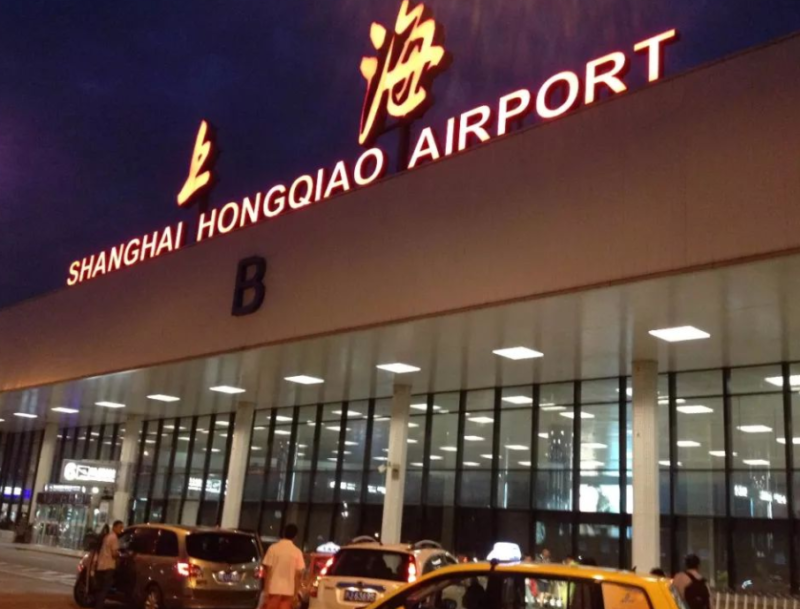


For foreign travelers, stepping foot in China, a simple Chinese greeting can often break the ice and bring them closer to the local people. China is a vast country with numerous dialects, but Mandarin, as the official language, is widely used across the nation. Below is a compilation of daily phrases for core scenarios such as travel, dining, shopping, and emergencies, accompanied by pronunciation guides and usage tips to help you embark on a convenient journey in China with ease.
![图片[1]-Essential Daily Chinese Phrases for Foreign Travelers - Practical Guide](https://www.dgcity.com/wp-content/uploads/2026/01/image-103.png)
In travel scenarios, communication related to transportation is a top priority. When arriving at airports, railway stations, or taking public transport, you can skillfully use these expressions: “Nǐ hǎo, qǐngwèn qù shìzhōngxīn zěnme zǒu?” (Hello, excuse me, how do I get to the city center?), which is suitable for asking passersby or staff for directions. It is polite and unlikely to cause discomfort. When taking a taxi, you can say “Shīfu, máfan qù XX jiǔdiàn” (Master, please take me to XX Hotel). “Shīfu” is a common respectful term for drivers, friendly and appropriate. If taking the subway or bus and needing to confirm the route, you can ask “Zhè tàng chē dào XX zhàn ma?” (Does this bus/subway stop at XX Station?), which is simple and direct, allowing you to get a quick response. In addition, if you get lost, you can ask for help from passersby: “Duìbuqǐ, wǒ mílù le, néng bāng wǒ zhǐ yīxià lù ma?” (Excuse me, I’m lost. Can you show me the way?), and polite expressions are more likely to get help from others.
The dining scene is an important window to experience Chinese Culture, and mastering relevant phrases can make your food journey smoother. When entering a restaurant, the waiter/waitress will usually greet you proactively. If you need to order by yourself, you can first say “Nǐ hǎo, wǒmen liǎng wèi” (Hello, two of us) to inform the number of diners. When ordering, if you are not sure about the taste of a dish, you can ask “Zhè ge cài là ma?” (Is this dish spicy?), because some Chinese cuisines such as Sichuan Cuisine and Hunan cuisine are mainly spicy. Confirming in advance can avoid taste discomfort. During the meal, if you need additional tableware or drinks, you can say “Mǎfan zài lái yī shuāng kuàizi/yī bēi shuǐ” (Please bring me another pair of chopsticks/a glass of water). When checking out, simply say “Mǎidān, xièxie” (Bill, please, thank you). In some restaurants, you can also use “Jiézhàng” (Check out), which is concise and clear. If you are satisfied with the food, you can also say to the waiter/waitress “Zhè ge cài hěn hǎochī” (This dish is very delicious). A simple compliment can get a warm response.
![图片[2]-Essential Daily Chinese Phrases for Foreign Travelers - Practical Guide](https://www.dgcity.com/wp-content/uploads/2026/01/image-104.png)
In shopping scenarios, accurate communication can make consumption more efficient. When entering a store, the clerk may ask “May I help you?”, and you can respond according to your needs: “Wǒ suíbiàn kànkan” (I’m just looking around), indicating that you don’t have a clear goal for the time being and avoiding excessive promotion. After seeing a product you like, you can ask about the price by saying “Zhè ge duōshao qián?” (How much is this?), which is the most basic and frequently used shopping phrase. If you think the price is too high, you can try to bargain: “Néng piányi yīdiǎn ma?” (Can it be a little cheaper?). Bargaining is common in markets, small commodity markets and other places, while large shopping malls and supermarkets usually have fixed prices, so no bargaining is needed. After making a purchase, you can check the goods and say “Mǎfan bāng wǒ bāo yīxià, xièxie” (Please wrap this for me, thank you) for easy carrying.
Phrases for emergency scenarios are not commonly used but are crucial, helping you quickly solve unexpected problems. When feeling unwell, you can say to passersby or medical staff “Wǒ bù shūfu, néng bāng wǒ jiào jiùhùchē ma?” (I’m not feeling well. Can you call an ambulance for me?) to clearly express your needs. When losing items, you can ask for help from staff: “Wǒ de qiánbāo/shǒujī diū le, qǐngwèn nǎlǐ kěyǐ guàshī?” (I lost my wallet/phone. Excuse me, where can I report the loss?). In case of emergencies such as fires or accidents, you can directly call the police at 110. After answering, say “Zhèlǐ fāshēng le jǐnjí qíngkuàng, xūyào bāngzhù” (There’s an emergency here, need help) and inform the specific location. In addition, “Duìbuqǐ” (Excuse me/Sorry) and “Xièxie” (Thank you) are polite phrases that run through all scenarios. Using them appropriately can show respect to the local people, make communication more harmonious.
It should be noted that Chinese pronunciation has four tones, and different tones may lead to changes in meaning. It is recommended that you practice repeatedly with Pinyin annotations and use translation software to assist pronunciation. At the same time, people in different regions of China have slightly different speaking tones and expressions, but the core vocabulary and grammar of Mandarin are consistent, so there is no need to worry too much. Mastering these daily phrases can not only solve basic communication problems during the trip but also deeply experience the humanistic atmosphere of China, establish a more sincere connection with the local people, and make every journey full of warmth and surprises.








暂无评论内容