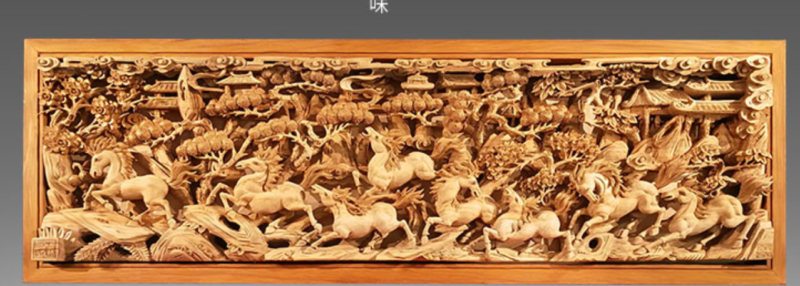


In the vast river of traditional Chinese handicrafts, wood carving stands out as a crucial carrier of Oriental aesthetics, boasting a warm texture, exquisite craftsmanship, and profound cultural connotations. It is not merely the carving of wood, but a legendary art form that craftsmen have integrated the spirit of nature with humanistic feelings into, interpreting on small pieces of wood through thousands of years of inheritance. For foreign travelers, it serves as an important window to understand traditional Chinese Culture.
![图片[1]-Chinese Wood Carving: A Millennium-Old Oriental Handicraft for Foreign Travelers](https://www.dgcity.com/wp-content/uploads/2026/01/image-71-1024x366.png)
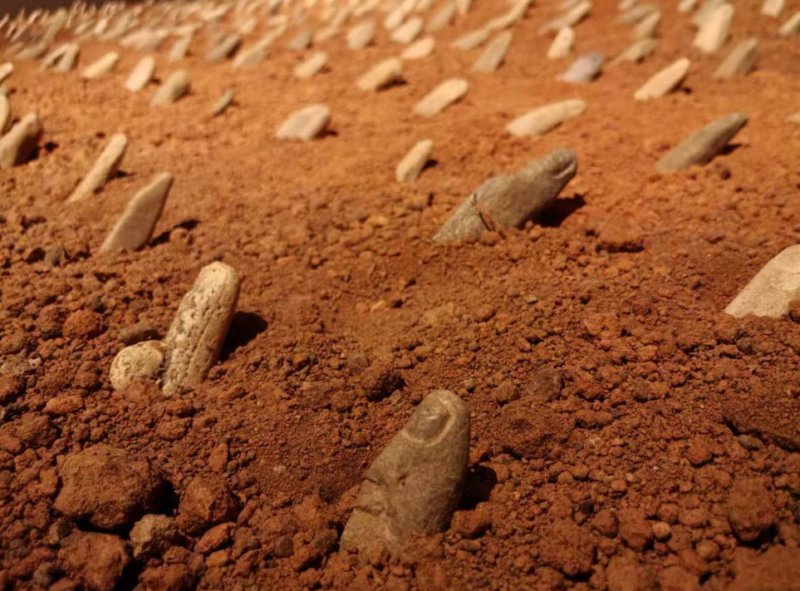
The history of Chinese wood carving can be traced back to the Neolithic Age. The wooden fish and wooden tubes unearthed at the Hemudu Site in Yuyao, Zhejiang Province, though simple in shape, already reflected the ancestors’ clever use of wood and aesthetic awareness. After going through the solemn elegance of the Shang and Zhou dynasties, the grandeur of the Qin and Han dynasties, and the delicate vitality of the Tang and Song dynasties, wood carving craftsmanship reached its peak in the Ming and Qing dynasties, forming a prosperous scene where “every family has carved beams and painted pillars”. It was widely used in architectural decoration, furniture making, religious statues, display ornaments and other fields, permeating every aspect of ancient people’s lives.
Geographical differences have created a variety of schools and styles of Chinese wood carving, each with unique regional cultural imprints. Dongyang wood carving in Zhejiang Province, known as “the first of Chinese wood carvings”, is famous for its “exquisite carving and exquisite transparency”. It excels in carving complex patterns on wood pieces as thin as cicada wings, with themes mostly taken from landscapes, flowers, birds, historical allusions. It is often used in screens and hanging screens, showing the gentleness and elegance of the Jiangnan water town.
![图片[2]-Chinese Wood Carving: A Millennium-Old Oriental Handicraft for Foreign Travelers](https://www.dgcity.com/wp-content/uploads/2026/01/image-70.png)
Putian wood carving in Fujian Province is good at religious statues, with smooth and mellow knife work and a focus on depicting the expressions of characters. The Buddha statues carved are solemn yet vivid, combining artistic value and religious appeal. Its craftsmanship has also been introduced to Southeast Asia, exerting a far-reaching influence. Chaozhou wood carving in Guangdong Province is characterized by “splendor and magnificence”, pioneering the unique “gold lacquer wood carving” craft. After carving, it is painted and gilded, maintaining its dazzling luster for hundreds of years. It is often used in the beams and door and window decorations of ancestral halls and temples, with patterns mostly implying good luck and prosperity, showing the enthusiasm and unrestraint of Lingnan area.
In addition, schools such as Huangyang wood carving in Zhejiang, Su-style wood carving in Jiangsu, and Huizhou wood carving in Anhui each have their own characteristics, focusing on realism or freehand brushwork, jointly forming a flourishing artistic pattern of Chinese wood carving.
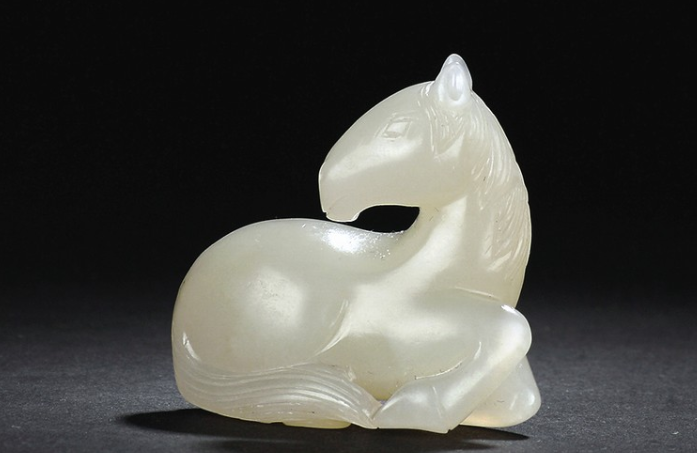
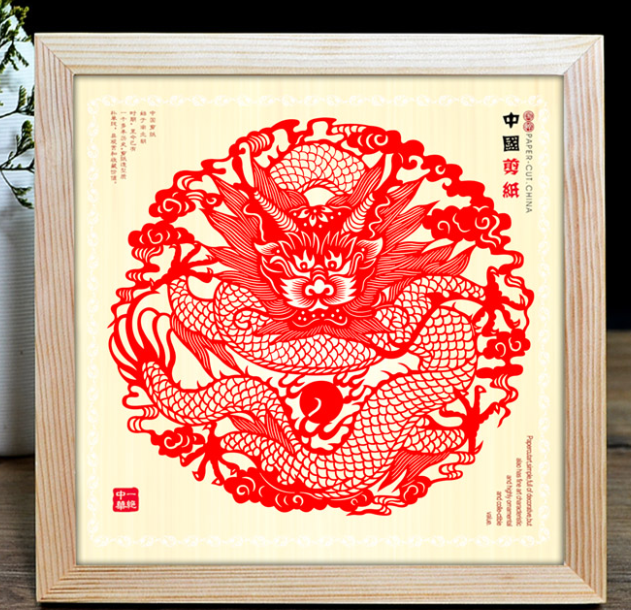
The charm of Chinese wood carving lies not only in its exquisite craftsmanship, but also in the cultural implications and humanistic feelings behind it. Craftsmen are extremely particular about material selection, preferring hard wood with beautiful textures such as red sandalwood, Huanghuali, boxwood, and mahogany. They believe that different woods have different “spirits” and need to be carved according to their natural properties. In terms of theme selection, wood carvings mostly focus on auspicious meanings: dragons and phoenixes symbolize dignity and good luck, bats represent “blessing”, peonies imply “prosperity”, and pine, bamboo and plum blossoms symbolize the integrity of a gentleman. Each carving carries the Chinese people’s yearning for a better life and adherence to traditional Culture.
![图片[3]-Chinese Wood Carving: A Millennium-Old Oriental Handicraft for Foreign Travelers](https://www.dgcity.com/wp-content/uploads/2026/01/image-72.png)
In modern society, Chinese wood carving has not faded with the changes of the times, but has gained new vitality in inheritance. traditional craftsmen adhere to ancient techniques and integrate modern design concepts, combining wood carving with home decoration and cultural and creative products, allowing this ancient craft to enter more people’s lives. Today, precious wood carving collections are displayed quietly in the Palace Museum and museums around the country, telling the vicissitudes of thousands of years of history. In wood carving hometowns such as Dongyang and Putian, you can still see craftsmen focusing on carving. With knives as brushes and wood as paper, they continue the blood of this Oriental aesthetics.
For foreign travelers, appreciating Chinese wood carving not only allows them to admire the sophistication of handcrafts, but also helps them understand the Chinese philosophy of “harmony between man and nature” — respecting nature, conforming to materials, and infusing human feelings into natural objects. Whether it is a small wood carving ornament or a carved decoration on a building, it hides the code of Chinese Culture, waiting for people to explore and taste.










暂无评论内容