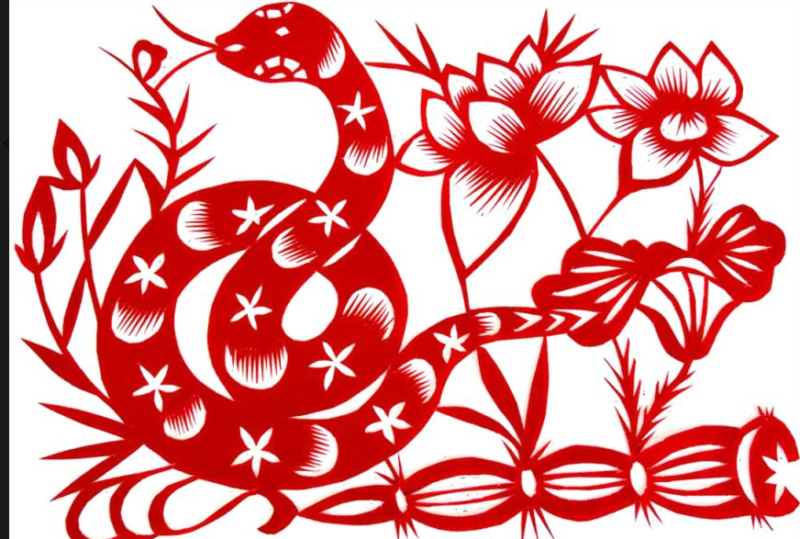


In the vast river of China’s intangible cultural heritage, paper cutting stands out as one of the most representative folk art forms, with its concise and vivid lines and rich, profound implications. This art form, which uses paper as the medium and a knife as the brush, has spanned more than 2,000 years. From an elegant ornament of royal nobles to a daily decoration of ordinary people, it has long been deeply integrated into the spiritual world of the Chinese people, becoming an important carrier of cultural memories and folk sentiments. Today, whether in handicraft shops on Ancient City streets or in modern art galleries, paper cutting still presents the unique charm of Oriental aesthetics to the world with a vivid posture, attracting countless foreign tourists to stop and explore.
![图片[1]-Chinese Paper Cutting Introduction - Intangible Cultural Heritage Craft for Foreign Tourists](https://www.dgcity.com/wp-content/uploads/2026/01/image-52.png)
The origin of paper cutting can be traced back to the Western Han Dynasty. At that time, papermaking was not yet popular, and people cut patterns from materials such as gold foil, silver foil, and leather for important occasions such as sacrifices and rituals. With Cai Lun improving papermaking in the Eastern Han Dynasty, paper gradually became the main raw material for paper cutting, and this art form then spread to the people and ushered in vigorous development. During the Wei, Jin, Southern and Northern Dynasties, paper cutting had taken shape, mainly used to decorate utensils and clothing; by the Tang Dynasty, the craftsmanship of paper cutting became increasingly mature, and the patterns became more elaborate and complex. There even appeared “window grilles” used to decorate windows, which became a microcosm of the social fashion at that time. In the Song, Yuan, Ming and Qing dynasties, the art of paper cutting continued to innovate, integrating local folk characteristics and forming regional schools with distinct styles, such as the bold and unrestrained style in the north and the delicate and graceful style in the south. Among them, Shaanxi paper cutting, Shanxi paper cutting, and Yangzhou paper cutting are renowned nationwide, becoming treasures of paper cutting art.
Although paper cutting seems simple, it actually contains rigorous craftsmanship and profound aesthetics. Its creative process usually consists of four steps: material preparation, drafting, cutting, and mounting, each of which tests the creator’s patience and skill. During material preparation, it is necessary to select suitable paper according to the creative theme. Common types include bright red paper, rice paper, and kraft paper. Among them, bright red paper is the first choice for folk scenes such as the Spring Festival and weddings because it symbolizes good luck and joy. In the drafting stage, the creator needs to sketch the conceived pattern on paper. The lines should not only be smooth and natural but also take into account symmetry and layering. traditional paper cutting mostly uses symmetrical patterns, symbolizing the good wishes of completeness and harmony. Cutting is the core link of paper cutting, which is divided into three techniques: negative cutting, positive cutting, and the combination of positive and negative cutting. Negative cutting refers to cutting off the part outside the pattern lines to make the lines present a hollow effect; positive cutting retains the pattern lines and cuts off the excess part, making the lines clear and bright; the combination technique combines the advantages of both, making the work more three-dimensional and expressive. When cutting, the creator holds a carving knife or scissors, concentrates on the work, and moves the knife smoothly. The strength and speed of the fingertips directly determine the success of the work. A delicate paper cutting work often requires hours or even days of careful carving.
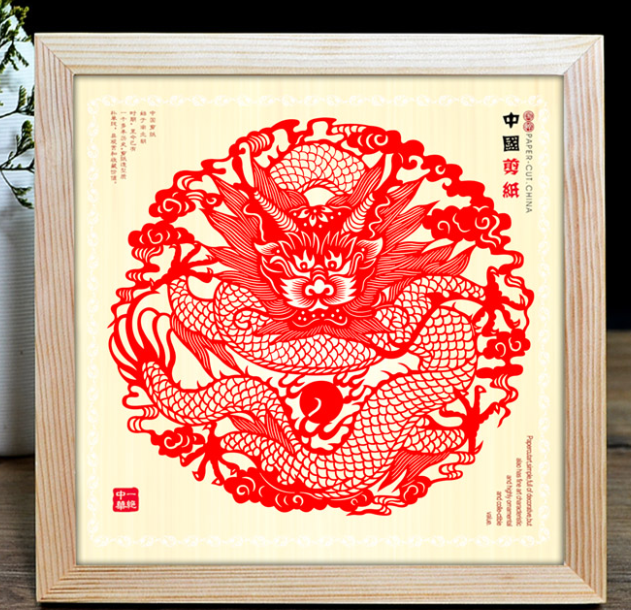
The themes and implications of paper cutting are always closely related to the life of the Chinese people, covering folk customs, flowers, birds, fish and insects, myths and legends, character stories and other fields. In folk scenes, pasting window grilles during the Spring Festival symbolizes bidding farewell to the old and welcoming the new, as well as good luck. Common patterns include bats (representing blessings), deer (representing official fortune), fish (representing surplus), and peonies (representing wealth and honor), integrating the yearning for a better life into a small piece of paper. The “double happiness” paper cutting and dragon-phoenix patterns at weddings carry wishes for the couple to live in harmony and happiness forever. Paper cuttings used in sacrificial activities mostly take gods and auspicious beasts as themes, embodying people’s prayers for peace and smoothness. In addition, paper cutting is also commonly used in the production of opera masks and shadow puppet props, becoming an important part of traditional opera Culture. Today, modern paper cutting artists, on the basis of inheriting traditional craftsmanship, continue to innovate, integrating Western art elements and modern design concepts into their creations. This makes paper cutting works not only retain traditional cultural heritage but also have a contemporary flavor, widely used in decorative design, cultural and creative products, art exhibitions and other fields, bringing new vitality to this ancient art form.
![图片[2]-Chinese Paper Cutting Introduction - Intangible Cultural Heritage Craft for Foreign Tourists](https://www.dgcity.com/wp-content/uploads/2026/01/image-53.png)
For foreign tourists, experiencing paper cutting creation is not only an excellent way to feel traditional Chinese Culture but also a cross-cultural spiritual dialogue. Under the guidance of professional creators, starting with simple geometric patterns and gradually trying complex ones, cutting out their own paper cutting works with their own hands can not only feel the wonder of fingertip craftsmanship but also deeply understand the cultural implications behind each pattern. Today, paper cutting has become an important link for cultural exchange between China and foreign countries. With its concise and expressive artistic language, it tells Chinese stories to the world, conveys the unique charm of Oriental civilization, and enchants everyone who comes into contact with it.










暂无评论内容