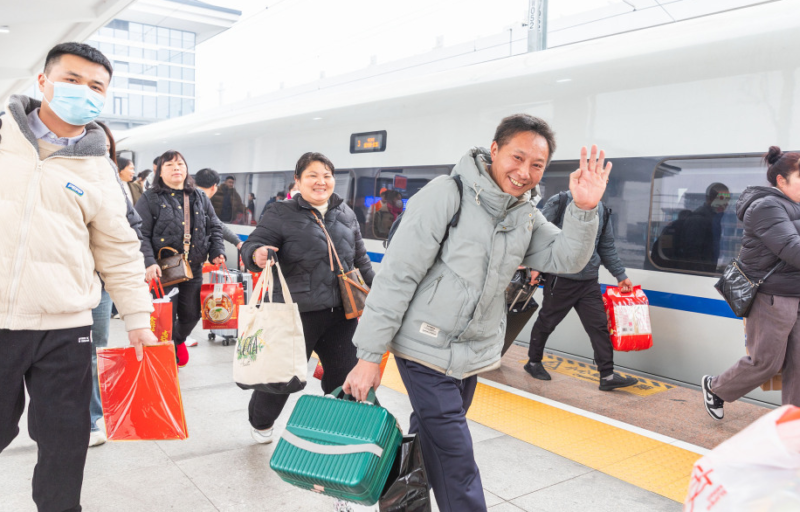


This article compiles high-frequency Chinese phrases for foreign tourists traveling in China, covering core scenarios such as greetings, transportation, dining, and accommodation, with pronunciation guides and usage instructions. The phrases are simple, easy to understand and highly practical, helping foreign tourists quickly integrate into Chinese life and solve communication problems. Whether traveling independently or in a group, mastering these Chinese expressions makes the journey smoother, enabling easy interaction with locals and an authentic Chinese experience.
![图片[1]-Essential Chinese Phrases for Foreign Tourists Traveling in China Practical Expressions](https://www.dgcity.com/wp-content/uploads/2026/01/image-98.png)
For foreign tourists traveling to China, mastering some common Chinese phrases can not only solve communication problems during the trip but also help them deeply experience the local Culture and customs. China is a vast country. Although staff in many popular scenic spots, hotels, and business districts can speak basic English, Chinese is still the main language of communication in back streets, local markets, and other scenarios. The following is a collection of high-frequency Chinese phrases for different scenarios, paired with Pinyin pronunciation guides, to help foreign tourists quickly master and use them flexibly.
First, greetings and small talk are the first steps to starting a conversation. A warm and natural tone can quickly narrow the distance. Common phrases include: “Nǐ hǎo!” (Hello!), which is suitable for all daily occasions, whether asking for directions, shopping in a store, or meeting locals; “Xiè xie!” (Thank you!), used to express gratitude after receiving help, goods, or services, which is the most basic polite expression; “Duì bu qǐ / Bù hǎo yì si” (Sorry / Excuse me), the former is used to apologize, and the latter is more suitable for politely disturbing others, such as before asking for directions or accidentally bumping into someone; “Zài jiàn!” (Goodbye!), used when leaving, simple and practical.
Transportation is the scenario where foreign tourists most often need communication. Mastering the following phrases can greatly improve travel efficiency whether taking public transportation, taxis, or asking for directions. When asking for directions, you can say: “Qǐng wèn, XX zěn me zǒu?” (Excuse me, how do I get to XX?), where “XX” is replaced with a specific location, such as “the Palace Museum” or “the subway station”; when taking a taxi, you can tell the driver: “Má fan qù XX.” (Please take me to XX.), with a polite tone that the driver can quickly understand the destination; when taking a bus or subway, if you want to confirm the direction, you can ask: “Zhè shì qù XX de chē ma?” (Is this the bus/subway to XX?). In addition, when encountering transportation delays or doubts, you can ask: “Hái yǒu duō jiǔ dào?” (How much longer until we arrive?).
The dining scene is an important part of experiencing Chinese Culture. Faced with a rich variety of Chinese menus and local snacks, these phrases can help tourists accurately express their needs. After entering the restaurant, you can say to the waiter: “Qǐng wèn, yǒu zuò wèi ma?” (Excuse me, do you have a seat?); when ordering, if you are not sure about a dish, you can ask: “Zhè shì shén me?” (What is this?), paired with a pointing gesture, and the waiter will introduce the dish; to express taste preferences, you can say: “Bú yào là.” (No spicy.) or “Wēi là.” (Mildly spicy.), to avoid discomfort affecting the dining experience; when paying after the meal, you can say: “Mǎi dān, xiè xie.” (Check, please. Thank you.).
![图片[2]-Essential Chinese Phrases for Foreign Tourists Traveling in China Practical Expressions](https://www.dgcity.com/wp-content/uploads/2026/01/image-97.png)
In the accommodation scene, communication with the hotel front desk needs to be clear and clear. The following phrases can cover core needs. When checking in: “Wǒ yào bàn lǐ rù zhù.” (I need to check in.), and you can add “Wǒ yù dìng le fáng jiān.” (I have a reservation.); after entering the room, if you find a problem with the facilities, you can contact the front desk: “Fáng jiān lǐ yǒu wèn tí.” (There is a problem in the room.), and specify, such as “Kōng tiáo huài le.” (The air conditioner is broken.); when checking out: “Wǒ yào tuì fáng.” (I need to check out.).
In addition to the above core scenarios, there are some emergency phrases to deal with unexpected situations. If you are unwell: “Wǒ bù shū fu.” (I’m not feeling well.); when you need help: “Qǐng bāng bang wǒ.” (Please help me.); when shopping and want to ask the price: “Zhè ge duō shao qián?” (How much is this?), and you can add “Néng pián yi yì diǎn ma?” (Can it be a little cheaper?), which is suitable for bargaining scenarios such as markets and small shops.
Mastering these common Chinese phrases can not only solve basic communication problems during the trip but also allow foreign tourists to feel the enthusiasm and friendliness of the Chinese people and get closer to the locals. It is recommended that tourists familiarize themselves with Pinyin pronunciation in advance and match simple body language for smoother communication. We hope this guide will help everyone’s trip to China, making every journey easy, pleasant, and rewarding.









暂无评论内容