

When an umbrella engraved with blue and white porcelain patterns opens to shield from the rain, when a bookmark integrated with oracle bone script is inserted into a book, when a set of cosmetics inspired by Dunhuang murals brightens the makeup, Chinese cultural and creative design is presenting diverse forms, allowing cultural heritage with a history of thousands of years to walk out of Museums and into ordinary people’s daily lives. It is not a simple reproduction of tradition, but a dialogue across time and space, building a bridge between ancient textures and modern aesthetics, and revitalizing Oriental aesthetics in the contemporary era.
![图片[1]-Chinese Cultural and Creative Design Oriental Aesthetics Fusion of Tradition and Modernity](https://www.dgcity.com/wp-content/uploads/2026/01/image-94.png)
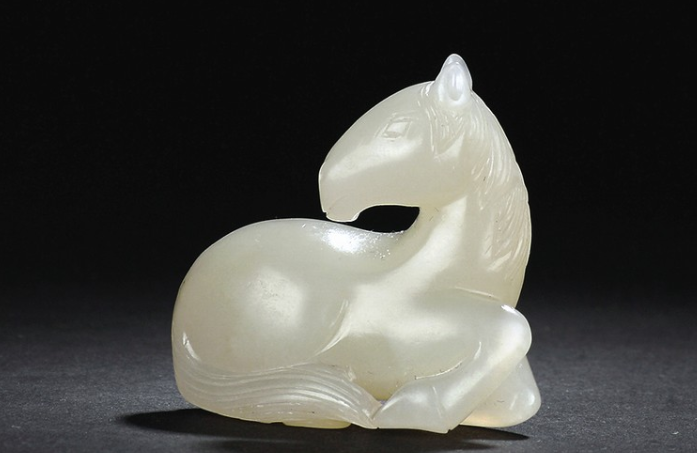
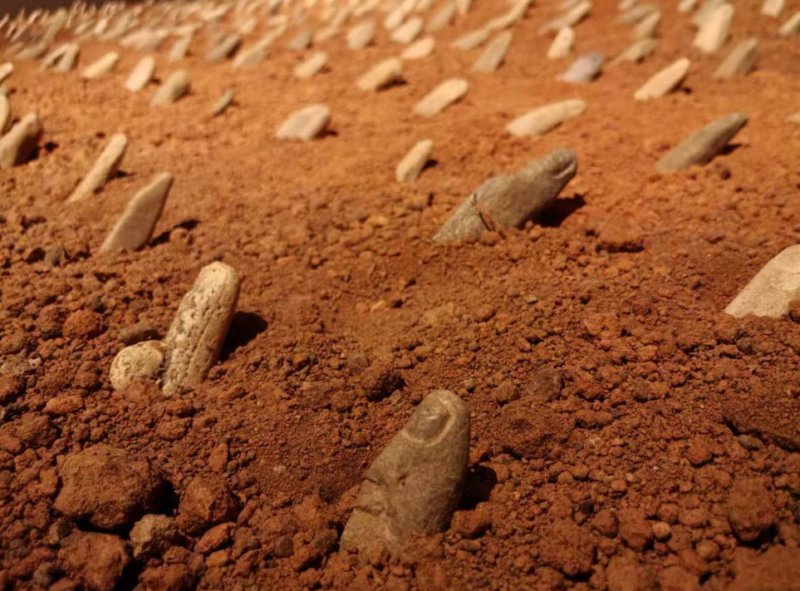
The core strength of Chinese cultural and creative design lies in the profound accumulation of traditional Culture. From the painted pottery patterns of the Neolithic Age, the bronze inscriptions of the Shang and Zhou dynasties, to the Terracotta Army of the Qin and Han dynasties, the Tang Sancai of the Tang Dynasty, the porcelain, calligraphy and painting of the Song and Yuan dynasties, and the Embroidery and jade carving of the Ming and Qing dynasties, in the thousands of years of civilization process, every craft and every type of pattern carries the aesthetic pursuit and life wisdom of the Chinese people. These cultural symbols are not dusty antiques, but an inexhaustible source of inspiration for cultural and creative designers. For example, the Palace Museum’s cultural and creative Team draws nutrients from its collection of cultural relics, transforms the blue and green color matching of “A Thousand Miles of Rivers and Mountains” into notebook covers, and makes the animal shapes on the roof of the Hall of Supreme Harmony into keychains, making the solemn royal Culture approachable; Henan Museum has designed cute cultural and creative dolls based on the “Fu Hao Owl Zun”, turning the bronze ritual vessel from more than 3,000 years ago into a trendy item sought after by young people.
Innovative expression is the key for Chinese cultural and creative design to break the barriers of time and space. Contemporary designers are no longer limited to the superficial use of traditional elements, but dig deep into the cultural core and realize creative transformation and innovative development through modern design techniques. In terms of materials, traditional bamboo, wood, ceramics collide and integrate with modern metals, acrylics, and environmentally friendly plastics, retaining Oriental texture while adapting to modern living scenarios; in terms of functions, cultural and creative products break out of the limitation of “ornaments” and have both practicality and commemorative significance, such as office stationery integrated with movable type printing elements and furniture decorations designed with traditional mortise and tenon structure, allowing Culture to be inherited in use; in terms of communication, designers use new media platforms and young people’s language context to make cultural and creative products a new social carrier, such as the Palace Museum’s “I Know” tape and Sanxingdui’s “bronze mask” ice cream, which have triggered heated discussions on the Internet with interesting expressions, making traditional culture enter the public vision in a more down-to-earth way.
![图片[2]-Chinese Cultural and Creative Design Oriental Aesthetics Fusion of Tradition and Modernity](https://www.dgcity.com/wp-content/uploads/2026/01/image-93.png)
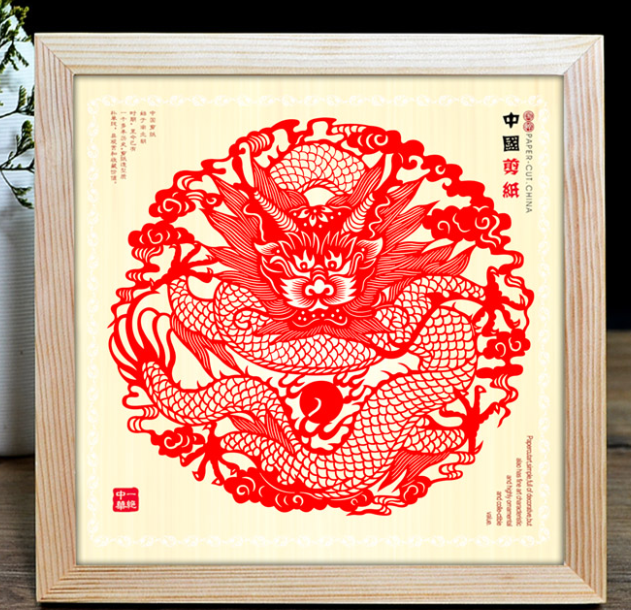
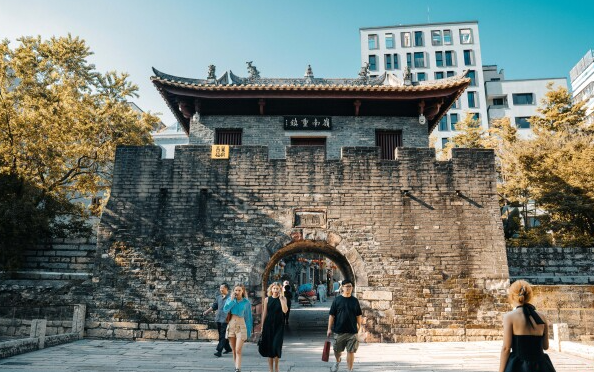
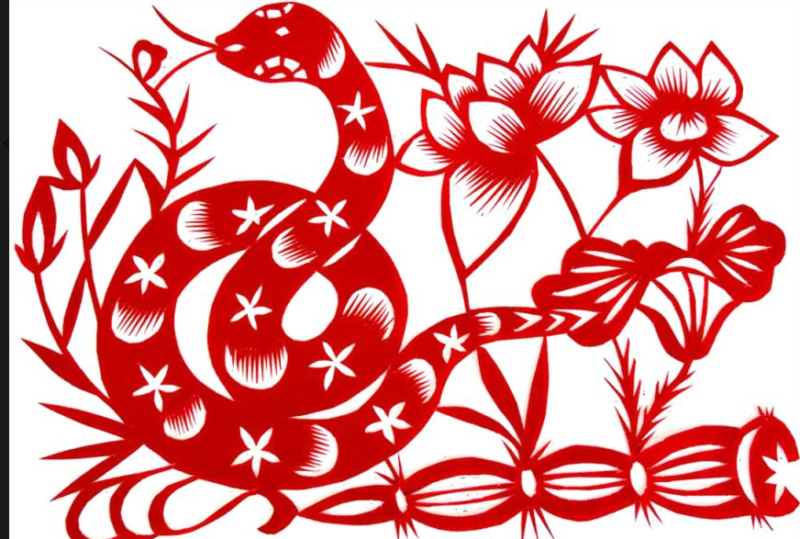
Today, Chinese cultural and creative design has formed a diversified development pattern. From museum cultural and creative products to intangible cultural heritage handcrafts, from urban IP to rural cultural and creative products, designers in different fields are exploring new possibilities for cultural expression. Intangible cultural heritage inheritors work with young designers to integrate ancient crafts such as Su Embroidery, kesi, and paper cutting into modern clothing and home products, allowing intangible cultural heritage skills to continue in the market-oriented operation; various regions create exclusive urban cultural and creative IPs based on regional culture, such as West Lake cultural and creative products in Hangzhou and giant panda cultural and creative products in Chengdu, which not only show regional customs but also become urban cultural business cards; rural cultural and creative products take root in the countryside, transforming folk tales and traditional farming culture into characteristic products, helping rural revitalization while revitalizing local culture.
The charm of Chinese cultural and creative design lies in that it endows traditional culture with warmth and vitality, and adds a touch of cultural heritage to modern life. It is not only a carrier of cultural communication, but also a manifestation of national aesthetic confidence. From the glass display cabinets of museums to the daily scenes of ordinary people, from the domestic market to the international stage, Chinese cultural and creative design is telling Chinese stories to the world with its unique Oriental aesthetic temperament, making the thousand-year-old civilization shine more brightly in the contemporary era.





暂无评论内容