

In the thousands-of-years-long cultural river of China, traditional Chinese Painting, as a uniquely charming art form, carries the aesthetic pursuit, philosophical thoughts and humanistic feelings of the Chinese nation. It is not a simple depiction of scenes, but takes brush and ink as the carrier, integrating man and nature, emotion and artistic conception, forming a unique artistic system different from Western painting, and becoming an indispensable treasure in the world art treasure house. For foreign tourists coming from afar, understanding traditional Chinese painting is like opening a window to understand the core of Chinese Culture.
![图片[1]-Traditional Chinese Painting: Oriental Aesthetics and Cultural Heritage](https://www.dgcity.com/wp-content/uploads/2026/01/image-62.png)
The origin of traditional Chinese Painting can be traced back to the Neolithic Age, with early rock paintings and painted pottery patterns as its embryonic form. After sprouting in the Xia, Shang and Zhou dynasties, developing in the Qin and Han dynasties, it gradually matured in the Wei, Jin, Southern and Northern Dynasties, emerging famous artists such as Gu Kaizhi, who put forward the artistic concept of “depicting spirit through form”, laying a theoretical foundation for later traditional Chinese painting. During the Sui and Tang dynasties, traditional Chinese painting entered a golden age, with clear divisions of figure painting, landscape painting and flower-and-bird painting, and increasingly improved techniques. Masterpieces handed down from generation to generation such as Wu Daoxuan’s “Painting of the Buddha’s Nativity” and Yan Liben’s “Admonitions of the Instructress to the Palace Ladies” still exude immortal artistic charm. In the Song and Yuan dynasties, literati painting rose. Painters paid more attention to the charm of brush and ink and spiritual expression, integrating calligraphy skills into painting, further enhancing the artistic realm of traditional Chinese painting. Since the Ming and Qing dynasties, various schools of traditional Chinese painting have emerged, including the orthodox school inheriting traditions and the innovative school daring to innovate, forming a pattern of diversified development.
![图片[2]-Traditional Chinese Painting: Oriental Aesthetics and Cultural Heritage](https://www.dgcity.com/wp-content/uploads/2026/01/image-61.png)
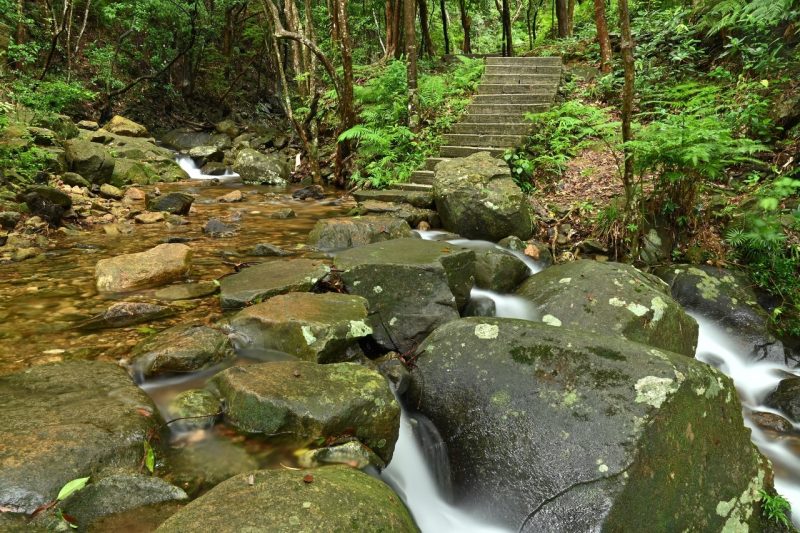
In terms of themes, Traditional Chinese Painting is mainly divided into three categories: figure painting, landscape painting and flower-and-bird painting, each of which contains unique cultural implications. Figure painting focuses on depicting character images and portraying character personalities. It not only records the social customs of different eras, but also pays attention to conveying emotions and spirits through character expressions. From the elegance and freedom of the Wei and Jin dynasties, to the grace and luxury of the Tang dynasty, and then to the worldly vividness of the Ming and Qing dynasties, figure painting has always been closely linked with the Culture of the times. Landscape painting is the most mature theme in traditional Chinese painting and the one that best reflects Oriental philosophy. It does not simply reproduce natural landscapes, but painters refine and sublimate nature with the concept of “harmony between man and nature”, pursuing the artistic conception of “scenery in meaning and meaning in scenery”. The rocks, flowing water, clouds and mists, forests in the paintings are not only reproductions of natural landscapes, but also entrust the painters’ pursuit of a free and indifferent life. Flower-and-bird painting depicts animals and plants as the objects. Through the delicate portrayal of flowers, birds, insects and fish, it conveys awe and love for life, and endows them with rich symbolic meanings. For example, plum blossoms symbolize perseverance, bamboo represents the demeanor of a gentleman, and lotus flowers imply purity and elegance, forming a unique “flower language culture”.
![图片[3]-Traditional Chinese Painting: Oriental Aesthetics and Cultural Heritage](https://www.dgcity.com/wp-content/uploads/2026/01/image-60.png)
The artistic characteristics of traditional Chinese painting are concentrated in three aspects: brush and ink, color and composition. Brush and ink are the soul of traditional Chinese painting. The hardness and softness of the writing brush, the shade, dryness and wetness of ink together constitute a rich brush and ink language. Through the speed and strength of brush strokes and the hierarchical changes of ink color, painters can not only show the texture and momentum of scenes, but also convey their own emotions and moods. Different from Western painting which focuses on the true restoration of color, traditional Chinese painting pursues “light color elegance and heavy color luxury”, mostly using natural mineral pigments and plant pigments, emphasizing the coordination and unity of color and artistic conception. Sometimes, ink is even used insTead of color to show rich picture layers through a single ink color. In terms of composition, traditional Chinese painting breaks the perspective principle of Western painting, adopts the technique of “scattered perspective”, which can show infinite space in a limited picture. At the same time, it pays attention to the art of “blank space”, creating an artistic conception of interweaving emptiness and reality with blank space, leaving a rich imagination space for viewers.
Today, traditional Chinese painting is not only a traditional art form, but also constantly innovates in the process of era development, integrating modern aesthetics and creative concepts, and radiating new vitality. In major Museums such as the Palace Museum and the Shanghai Museum, countless treasures of traditional Chinese painting are collected, waiting for Chinese and foreign tourists to stop and appreciate. In galleries and art museums on the streets, excellent works of contemporary painters can also be seen. Appreciating traditional Chinese painting does not require professional artistic skills. You just need to calm down and feel the Oriental charm flowing between the brush and ink, and you can experience the profound heritage of Chinese Culture. For foreign tourists, traditional Chinese painting is not only a visual feast, but also a cross-cultural exchange and dialogue, allowing people to understand China’s aesthetics, wisdom and feelings in the brush and ink paintings.




暂无评论内容