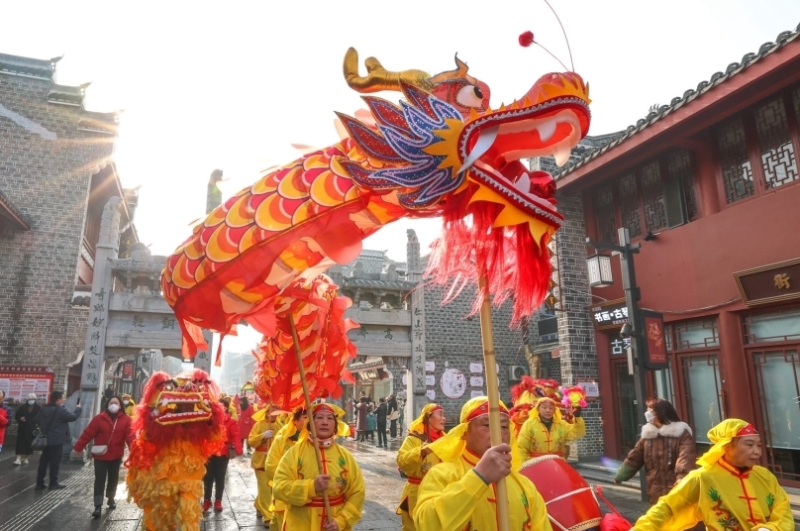


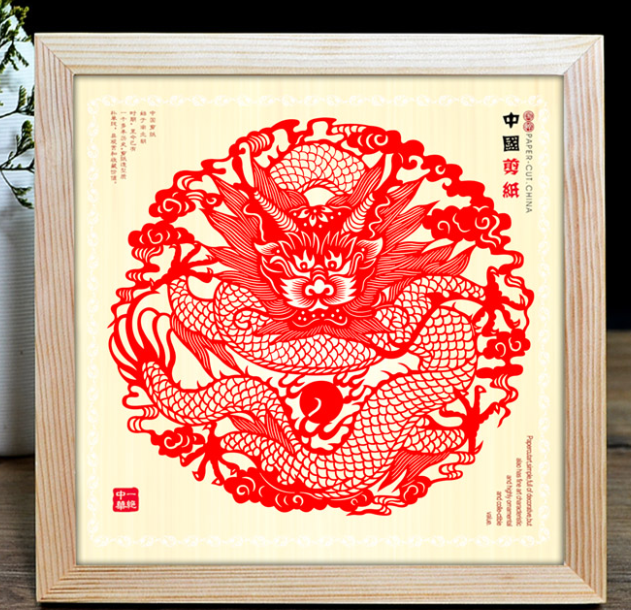
Chinese folk etiquette is a precious treasure of traditional Chinese Culture, which has been polished by history and integrated into every aspect of daily life. In festival etiquette, the customs of pasting Spring Festival couplets, staying up late on New Year’s Eve and paying New Year’s greetings on the Spring Festival convey the desire for family reunion. Appreciating the moon and eating mooncakes on the Mid-Autumn Festival carries the blessing for relatives and friends’ health. Dragon boat races and inserting wormwood on the Dragon Boat Festival embody the wish to drive away evil spirits and avoid disasters. These rituals are not rigid rules but expressions of deep emotions, endowing traditional festivals with strong sense of ceremony.
![图片[1]-Chinese Folk Etiquette: Essence, Customs and Inheritance of Traditional Culture](https://www.dgcity.com/wp-content/uploads/2026/01/image-22.png)
Daily communication etiquette also reflects Chinese wisdom. Greeting others with a bow or a nod shows modesty and respect. Serving Tea and offering seats to guests reveals enthusiasm and thoughtfulness. Considering the implied meaning when giving gifts expresses respect for others. In dining etiquette, the seating arrangement, the use of tableware and the etiquette of toasting not only reflect the ethical concept of respecting the elderly and distinguishing between superiority and inferiority, but also maintain the harmony of interpersonal relationships.
![图片[2]-Chinese Folk Etiquette: Essence, Customs and Inheritance of Traditional Culture](https://www.dgcity.com/wp-content/uploads/2026/01/image-21.png)
With the development of the times, folk etiquette has been simplified, but its core values of awe, gratitude and harmony remain unchanged. Inheriting Chinese folk etiquette is not only to protect the cultural roots, but also to let the traditional Culture shine brightly in the modern era and become a spiritual driving force for the nation.








暂无评论内容