

Chinese traditional literature and art, like an endless river, carry the heritage of thousands of years of civilization, scattered in cities and historical sites across the country. To experience this charm immersively, set off on a journey following the traces of cultural context.
![图片[1]-Chinese Traditional Literature and Art Travel Guide | Explore Cultural Heritage](https://www.dgcity.com/wp-content/uploads/2026/01/433f0001c9d9421bae8ftplv-be4g95zd3a-image.jpeg)
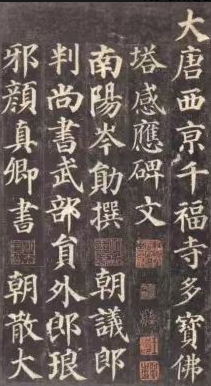
Xi’an, an ancient capital, is one of the starting points of the cultural vein. The Forest of Steles Museum here houses stone carvings from past dynasties, showing the clear evolution of Chinese characters from the simplicity of seal script to the dignity of regular script. The calligraphy relics of literati such as Han Yu and Liu Gongquan blend classical literature with calligraphy art. Wandering on the Xi’an City Wall, you can almost hear the boldness and grace of Tang poetry. As the core birthplace of Tang poetry, every street corner in Chang’an may hold the poetic charm of “Riding on horseback with joy, swift as the wind”.
Travel to Hangzhou. West Lake is not only a natural scenic spot but also a source of inspiration for literature and art. The poems and water control achievements left by Su Shi and Bai Juyi when they served as prefects of Hangzhou have made the famous line “I would compare West Lake to Xi Shi” pass down through the ages. The Xiling Seal Art Society by the lake integrates calligraphy, painting and seal carving art, serving as a spiritual home for literati. You can appreciate the exquisiteness of traditional seal carving and the artistic conception of calligraphy and painting works up close.
![图片[2]-Chinese Traditional Literature and Art Travel Guide | Explore Cultural Heritage](https://www.dgcity.com/wp-content/uploads/2026/01/407481ea7671529545407e349671c6f3tplv-be4g95zd3a-image.jpeg)
The Palace Museum and the Summer Palace in Beijing contain the essence of royal literature and art. The Palace Museum’s Calligraphy and Painting Gallery displays rare treasures from famous artists of the Jin, Tang, Song, Yuan, Ming and Qing dynasties, from the prosperity of daily life in “Along the River During the Qingming Festival” to the magnificent artistic conception of “A Thousand Miles of Rivers and Mountains”, showing the peak level of traditional Chinese Painting. The couplets and plaques in the Summer Palace, with concise and refined words, perfectly integrate classical poetry with garden scenery, highlighting the elegance of Chinese aesthetics.
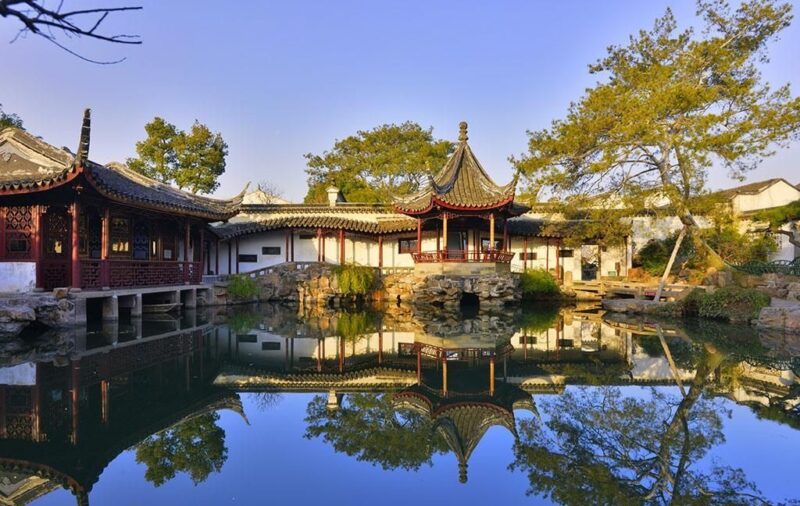
In addition, Suzhou Gardens are the culmination of literati aesthetics and art. Between the pavilions, terraces, and winding paths, lies the gardening philosophy of “Man-made but seemingly natural”. Coupled with the inscriptions and stone carvings in the gardens, they fully show the integration of literature and architectural art. To experience the charm of traditional opera, you can listen to the soft Suzhou Pingtan at the Suzhou Pingtan Museum, or watch Peking Opera’s singing, reciting, acting and fighting at the Beijing Chang’an Grand Theatre, and experience the unique charm of traditional folk art.


暂无评论内容