

China, a cultural palace with five thousand years of civilization, has every inch of land inscribed with historical marks and every scenery carrying traditional charm. This guide will not only take you through ancient and modern times to encounter the unique allure of Chinese cultural context, but also share practical experience tips to help you get rid of “check-in-only” tours and truly understand the profound connotation of traditional Culture.
![图片[1]-Chinese Traditional Culture Travel Guide | Must-Experience Intangible Heritage & Ancient Architecture Tours](https://www.dgcity.com/wp-content/uploads/2026/01/3292611150db3184f470148c2def4fdctplv-be4g95zd3a-image.jpeg)
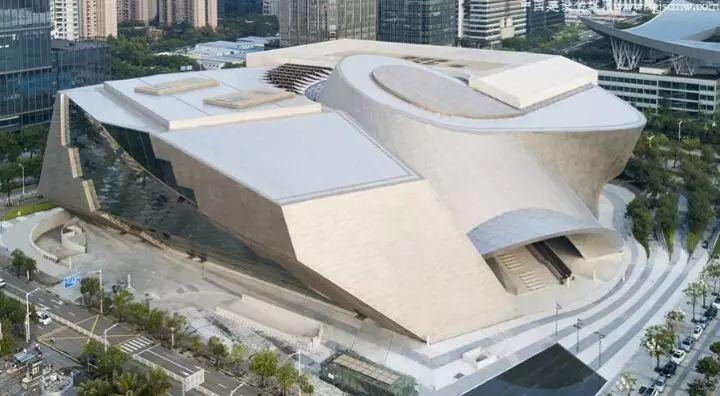
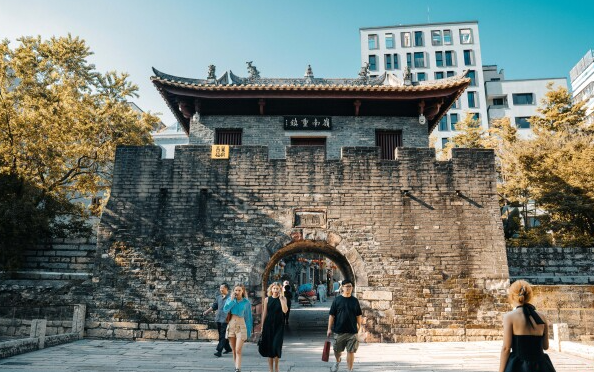
Ancient architectural relics are the concrete carriers of traditional Culture, and in-depth experience requires adequate preparation and understanding of details. Step into the Forbidden City in Beijing, don’t just marvel at the imperial majesty of red walls and yellow tiles; you can follow a professional cultural guide to explore the architectural wisdom of the ancients hidden in the dougong brackets (a traditional Chinese wooden structure), and observe how the mortise and tenon structure remains stable for thousands of years without a single nail. Wandering here is like traveling back to the prosperous Ming and Qing dynasties. Stop at the Confucius Temple in Qufu, feel the cross-millennial influence of Confucian culture among the tall ancient cypresses and scattered stone inscriptions. After visiting, you may try the local Qufu pancakes to let your taste buds integrate into the cultural scene. In addition, the winding paths and seclusion of Suzhou gardens, the grandeur of Xi’an City Wall, and the Shanxi merchant customs of Pingyao Ancient City are all unmissable ancient architectural treasures. Avoid overly commercialized areas and walk deep into the streets to hear the unique historical stories told by each building.
![图片[2]-Chinese Traditional Culture Travel Guide | Must-Experience Intangible Heritage & Ancient Architecture Tours](https://www.dgcity.com/wp-content/uploads/2026/01/776996483e9d15a1f5e799b1bc2a995ctplv-be4g95zd3a-image.jpeg)
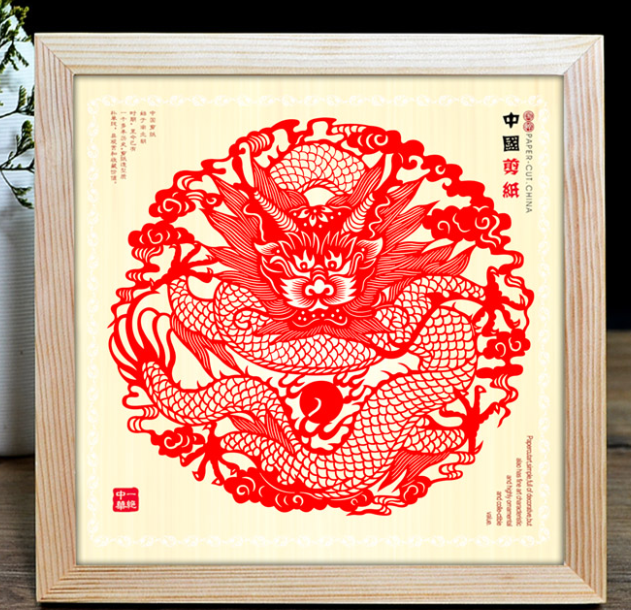
Intangible cultural heritage (ICH) skills are the flowing blood of Culture, and only through hands-on practice can you feel the true warmth of culture. In the ICH workshops in the water towns of the south of the Yangtze River, don’t just stop and watch; you may learn to embroider a lotus flower with craftsmen, outline the gentleness of the south in every stitch, and unlock the ingenuity behind Su Embroidery. In the shadow puppetry halls of the ancient capital Xi’an, personally manipulate the shadow puppets, match the singing, and interpret a short millennial legend to feel the unique charm of shadow art. In Wuyi Mountain, Fujian, not only taste Wuyi rock Tea, but also participate in the complete tea art brewing process, and realize the self-cultivation of tea art in each sip. The same goes for skills like paper cutting and sugar painting—only by taking the initiative to participate can you truly understand the persistence and wisdom of ICH inheritance.
Folk customs are the vivid expression of culture, and only by integrating into local scenes can you feel their vitality. If you happen to visit during traditional festivals, try to completely let go of your “tourist” identity and deeply integrate into the local life: watch dragon boat races by the Miluo River during the Dragon Boat Festival to feel the blend of passionate competition and prayer wishes; climb Tiger Hill in Suzhou on the Mid-Autumn Night, admire the bright moon, taste mooncakes and chat about reunion with locals, and experience the artistic conception of “a bright moon shines over all the world”. During the Spring Festival, enter northern villages, learn to cut window decorations, paste Spring Festival couplets and make dumplings with villagers, and immerse yourself in the joyful atmosphere of reunion. In addition, when encountering ethnic minority customs such as Tibetan Guozhuang Dance, Mongolian Nadam Fair, and Dai Water-Splashing Festival, respect local traditions and take the initiative to interact, so as to appreciate the diversity and inclusiveness of Chinese culture.
Set off with this guide, carry the cultural knowledge learned in advance, and travel in a way of hands-on practice and integration into the local area. You can not only appreciate the superficial charm of ancient architecture, ICH and folk customs, but also understand the profound connotation of Chinese cultural context, making the millennial traditional culture the most precious luggage on your journey.








暂无评论内容