

When wandering through the ancient streets and lanes of China, you may encounter people wearing elegant robes with wide sleeves, their garments fluttering gently in the breeze. What they are wearing is Hanfu, the traditional costume of the Han nationality that has carried thousands of years of Chinese civilization. Hanfu is not a single style of clothing, but a general term for a series of costume systems formed by the Han nationality from the Yellow Emperor period to the early Qing Dynasty. It is a representative cultural symbol of Chinese civilization, embodying the aesthetic taste, etiquette norms and life wisdom of ancient people.
![图片[1]-Hanfu: The Timeless Garment of Chinese Civilization](https://www.dgcity.com/wp-content/uploads/2026/01/image-137.png)
The core of Hanfu lies in its “shape and structure”, which distinguishes it from other costumes. The so – called shape and structure refer to the structural and tailoring specifications of the costume, which run through the oriental philosophical thought of “harmony between man and nature”. Hanfu mostly adopts flat cutting, with typical characteristics of crossed collars with the right side overlapping the left, loose robes with wide sleeves, and hidden buttons tied with ribbons. The crossed collars with the right side overlapping the left not only conform to ergonomics, but also contain the etiquette concepts of the Chinese nation; the loose robes and wide sleeves endow the costume with an elegant and flexible beauty, and when walking, the sleeves flutter like flowing clouds and water, showing the gentleness and grace of orientals; the ribbons around the waist fix the costume without buttons, which is both practical and decorative. The styles and tying methods of the knots also have subtle meanings, conveying an implicit aesthetic pursuit.
In the long course of history, Hanfu has been constantly enriched with the changes of the times, forming a diverse costume system suitable for different occasions and identities. The Shenyi (a kind of traditional robe) in the pre-Qin period, which connected the upper and lower parts and had a surrounding front, symbolized the moral principles of “harmony between man and nature” and “integrity and straightness”, and was the mainstream costume of nobles and scholars at that time; the Quju (a kind of robe with curved hems) and Zhiju (a kind of straight robe) in the Han Dynasty had simple and elegant lines. The Quju was wrapped layer by layer, showing dignity and elegance, while the Zhiju was more light and practical, gradually becoming the mainstream of daily wear; the Hanfu in the Tang Dynasty showed the grandeur of the prosperous Tang Dynasty. There were various styles of Ruqun (a kind of traditional skirt with a short jacket), with low necklines, wide skirts, bright and vivid colors. Matching with Pibo (a kind of light shawl), it showed the charm and playfulness of women and the openness and inclusiveness of the times; the Hanfu in the Song Dynasty tended to be simple and elegant. Beizi (a kind of traditional coat) and Songku (a kind of traditional pants in the Song Dynasty) became mainstream, with smooth lines and light colors, reflecting the indifferent and implicit aesthetic taste of scholars in the Song Dynasty; the Hanfu in the Ming Dynasty had exquisite craftsmanship. Styles such as Aoqun (a kind of traditional skirt with a jacket) and Pifeng (a kind of traditional cloak) combined practicality and ornamental value. The use of Embroidery and gold weaving techniques pushed the aesthetic value of Hanfu to a new height.
![图片[2]-Hanfu: The Timeless Garment of Chinese Civilization](https://www.dgcity.com/wp-content/uploads/2026/01/image-136.png)
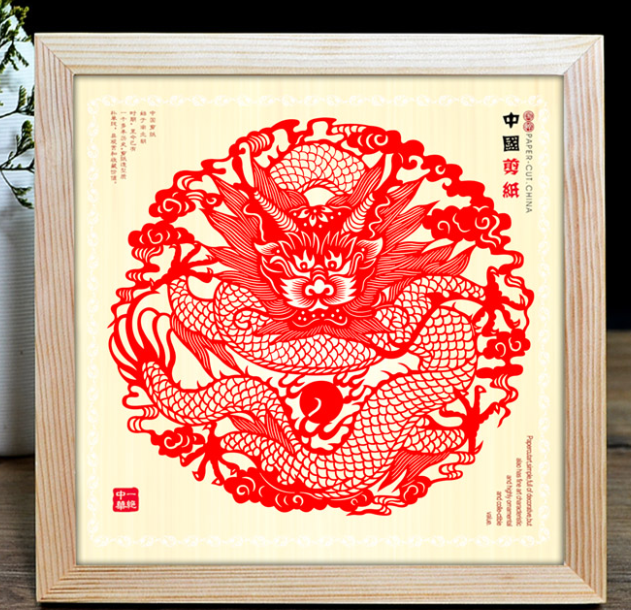
Hanfu is not only a piece of clothing, but also carries profound cultural connotations and etiquette norms. In ancient times, costumes were important symbols of social status and etiquette occasions. Hanfu worn on different occasions by people of different identities had strict regulations on style, color and patterns. For example, the costumes of emperors and nobles mostly adopted dragon patterns and twelve chapter patterns, with yellow and red as the main colors, highlighting the supremacy of imperial power; the costumes of scholars were simple and elegant, mainly in blue, white, gray and other colors, with scholarly patterns, reflecting their noble character; the costumes of ordinary people were mainly practical, with simple styles and plain colors, suitable for daily labor. At the same time, Hanfu was also integrated into traditional festivals and folk activities. During festivals such as the Spring Festival, Dragon Boat Festival and Mid-Autumn Festival, ancient people would wear corresponding styles of Hanfu to participate in sacrifices, celebrations and other activities, making costumes a link between Culture and life.
Today, with the revival of traditional Culture, Hanfu is no longer a display in Museums, but has re-entered people’s lives. More and more young people begin to wear Hanfu when going out and participating in traditional activities. The figures of Hanfu on the streets have become a unique cultural landscape. For foreign tourists, understanding Hanfu can not only feel the aesthetic charm of traditional Chinese costumes, but also deeply explore the spiritual core of Chinese civilization. When you put on a Hanfu and walk on the Xi’an Ancient City Wall, Suzhou Gardens or the Palace Museum in Beijing, you can truly experience the cultural resonance spanning thousands of years and feel the profound heritage of “a country of etiquette with splendid costumes”. Hanfu has long surpassed the clothing itself and become an important carrier of Chinese Culture and oriental aesthetics, waiting for every foreign guest to explore and feel.








暂无评论内容