

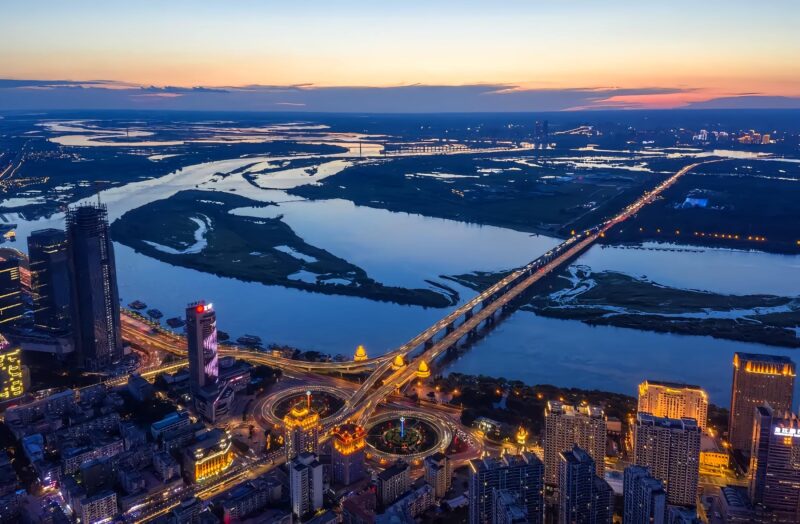
North China is a geographically and culturally core region of China, encompassing two municipalities directly under the Central Government (Beijing and Tianjin), two provinces (Hebei and Shanxi), and the central part of the Inner Mongolia Autonomous Region. Characterized by diverse landforms, the fertile North China Plain is a major grain-producing area in China, while the Taihang Mountains and the Loess PlaTeau create magnificent mountain landscapes that nurture unique regional Cultures.
![图片[1]-North China Region - Geography, Culture, Economy & Historical Significance](https://www.dgcity.com/wp-content/uploads/2026/01/image-27.png)
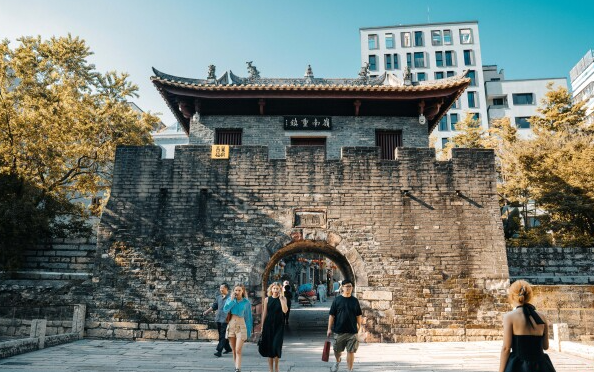
As the cradle of Chinese civilization, North China boasts a profound historical heritage spanning thousands of years. The Forbidden City and the Great Wall in Beijing have witnessed the rise and fall of dynasties and the changes of the times, becoming treasures of world cultural heritage. Pingyao Ancient City and Yungang Grottoes in Shanxi preserve the essence of ancient architectural art and Buddhist Culture. Chengde Mountain Resort in Hebei integrates the architectural styles of Han, Manchu, Mongolian and other ethnic groups, highlighting the charm of multi-cultural integration.
![图片[2]-North China Region - Geography, Culture, Economy & Historical Significance](https://www.dgcity.com/wp-content/uploads/2026/01/image-26-1024x432.png)
Economically, North China is a core hub for national industry and transportation. The Beijing-Tianjin-Hebei Coordinated Development Strategy promotes regional integration upgrading: Beijing focuses on technological innovation and international exchanges, Tianjin strengthens port logistics and advanced manufacturing, and Hebei builds a highland for green development through industrial transformation. With a stable agricultural foundation and abundant resources such as coal and steel, it provides solid support for national economic development, combining profound history with modern vitality.


暂无评论内容