

When traveling in China, familiarizing yourself with local emergency numbers is a crucial prerequisite for ensuring your safety and rights. Whether you are in a bustling city or a remote scenic area, you can quickly get professional assistance by dialing these numbers in case of an emergency. This article provides a detailed introduction to China’s core emergency numbers, usage scenarios and precautions, helping foreign tourists travel with peace of mind.
![图片[1]-A Complete Guide to China’s Emergency Numbers (Essential for Foreign Tourists)-Dgcity-Discover Great Chinese City](https://www.dgcity.com/wp-content/uploads/2026/01/image-134.png)
110 is China’s universal emergency police number, applicable to most sudden security incidents, including theft, robbery, personal injury, traffic accidents, disputes and conflicts, as well as other emergencies endangering personal and property safety. After dialing 110, the operator will communicate in Mandarin. If your English communication ability is limited, try to describe the type of incident, your location (such as landmarks, street names, hotel addresses) and your situation with simple words. It should be noted that 110 is a free number, which can be dialed directly from any mobile phone (including those without a SIM card) and landline phone without adding an area code. The system will automatically locate the police command center in your area.
120 is the national unified Medical emergency number, specially used for situations requiring urgent Medical assistance such as sudden illnesses and accidental injuries, such as heart attacks, fractures, traumatic bleeding, sudden high fever, etc. When dialing 120, clearly inform the operator of the patient’s symptoms, location and contact information, and the operator will dispatch the nearest ambulance to respond. It is recommended to familiarize yourself with the Chinese address of your hotel or the places you pass by in advance to convey information quickly and accurately. In addition, some 120 operators in cities have basic English communication skills. If you have difficulty communicating, you can ask passers-by who understand both Chinese and English for translation to ensure the accurate transmission of rescue information.
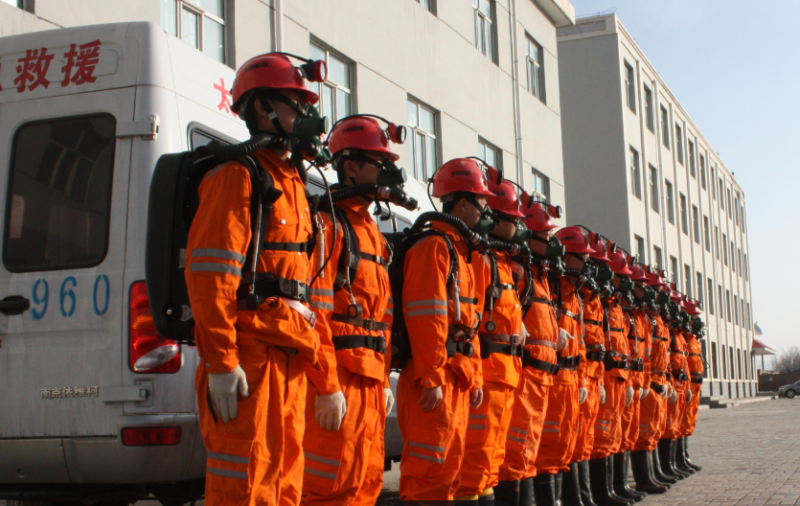
119 is the fire alarm and emergency rescue number, applicable to scenarios such as fires, explosions, chemical leaks, and personnel trapping (such as being trapped in elevators or collapsed buildings). When dialing 119, clearly state the specific location of the fire or accident, the burning substance (if known), whether there are trapped personnel and contact information, and the operator will immediately dispatch fire forces to handle it. Fire rescue is a free service. Do not hesitate to call in case of an emergency to minimize losses.
In addition to core emergency numbers, foreign tourists can also learn about some special emergency and service numbers. For example, 122 is a dedicated traffic accident alarm number. If only a traffic accident such as vehicle scratch or rear-end collision occurs without personal injury, you can dial 122 to ask traffic police for handling, so as not to occupy 110 resources. In addition, the Global Emergency Call Center for Consular Protection and Services of the Ministry of Foreign Affairs (+86-10-12308) is an important guarantee for foreign tourists. If you encounter problems such as passport loss, detention, or diplomatic disputes, you can call this hotline for assistance from your country’s embassy or consulate in China. The hotline provides multilingual services and can effectively solve unexpected difficulties in a foreign country.
![图片[2]-A Complete Guide to China’s Emergency Numbers (Essential for Foreign Tourists)-Dgcity-Discover Great Chinese City](https://www.dgcity.com/wp-content/uploads/2026/01/image-135.png)
Here are some precautions for using emergency numbers: First, stay calm and express clearly to avoid vague information transmission due to emotional excitement; second, do not maliciously dial emergency numbers. Malicious harassment and false reports of dangers are illegal acts and will be subject to legal sanctions; third, store important emergency numbers in your mobile phone in advance and keep a paper copy with you to prevent your mobile phone from running out of power or being lost; fourth, in some remote areas, mobile phone signals may be weak. You can try to find a landline phone or ask nearby residents and scenic area staff for help to dial emergency numbers.
China’s emergency rescue system is becoming increasingly improved. Police officers, Medical staff and firefighters all have professional disposal capabilities and efficient response speeds. Familiarizing yourself with these emergency numbers will give you more confidence in your trip and help you cope with various emergencies calmly. May every foreign tourist keep these numbers in mind and have a safe and pleasant journey in China.











暂无评论内容