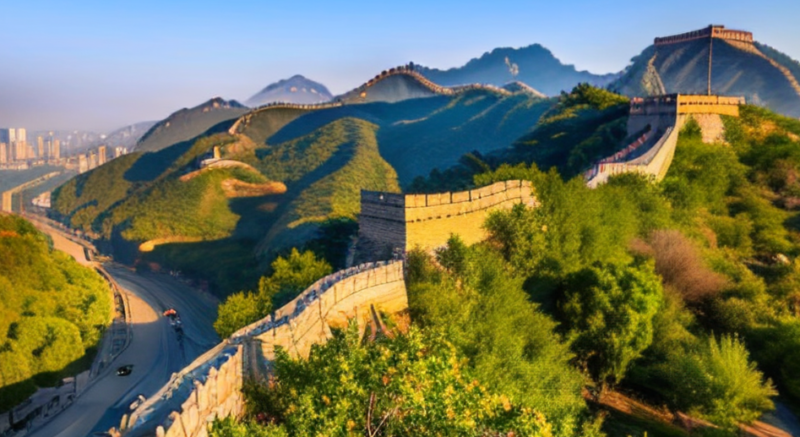





This guide details routes, Parking info, road condition tips and practical precautions for driving from downtown Beijing to Badaling, Mutianyu and other Great Wall sections, helping self-driving tourists travel smoothly.
Driving to various Great Wall sections boasts flexibility and comfort, making it an ideal choice for family trips, group travels and tourists who pursue free itineraries. You can independently control the travel pace and enjoy the suburban scenery along the way. However, it is essential to plan routes in advance, predict road conditions, and avoid peak congestion hours and Parking lot saturation. Below is a detailed guide for driving from downtown Beijing to each core Great Wall section, including routes, Parking, travel time and exclusive tips.
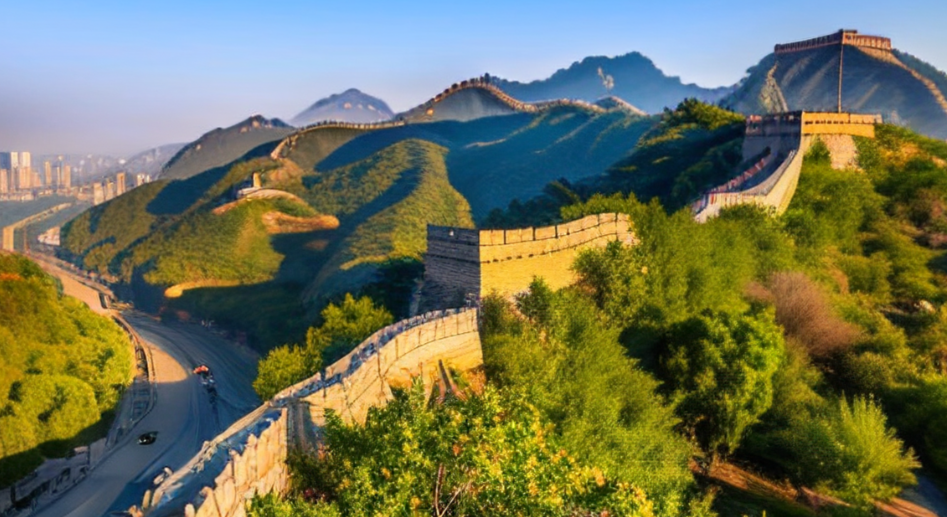
Badaling Great Wall is the top choice for self-driving, featuring mature routes and complete supporting facilities. Starting from the urban area, prioritize the Beijing-Tibet Expressway (G6), with a total distance of approximately 60 kilometers. Under normal road conditions, the one-way travel time is 1.2 to 1.5 hours. During peak periods (10:00-14:00 on weekends and holidays), congestion is likely between Tanqinxia Tunnel and Badaling Bridge. It is recommended to depart before 7:30 a.m. to avoid traffic jams. After exiting the expressway at the “Badaling Great Wall” exit, follow the road signs to directly reach the scenic spot’s parking lots. The scenic area has two paid parking lots (Chaxi and Heilongtan) and six free parking lots (Qianshan, Guntiangou, etc.). The paid parking lots charge 30 yuan per time, and free parking spaces are available on a first-come, first-served basis. Arriving before 7:30 a.m. allows you to secure premium parking spaces near the scenic entrance. After parking, you can walk to the wall-climbing entrance from some parking lots; for farther ones, you can take the free scenic shuttle bus without additional charges.
The self-driving route to Mutianyu Great Wall mainly takes the Beijing-Chengde Expressway, with a total distance of about 70 kilometers and a one-way travel time of 1.5 to 2 hours. The outbound section of the expressway between Beiqijiaqiao and Suanzaolingqiao is prone to congestion from 11:00 a.m. to 2:00 p.m. on weekends. Exit the Beijing-Chengde Expressway at Exit 13 (“Beitai Road (Kuanggou, Qiaozi)”), drive along the scenic road signs, turn left at the fourth traffic light, and go straight towards Jiuduhe to reach the scenic spot. The scenic area has multiple parking zones, and those near the ticket checkpoint allow direct access to the entrance without detours. The parking fee is 10 yuan per hour, capped at 50 yuan per day. It is advisable to park in areas close to the core zone to avoid time-consuming walks. There are many mountain roads around Mutianyu with numerous curves; please control your speed and pay attention to safe passing.
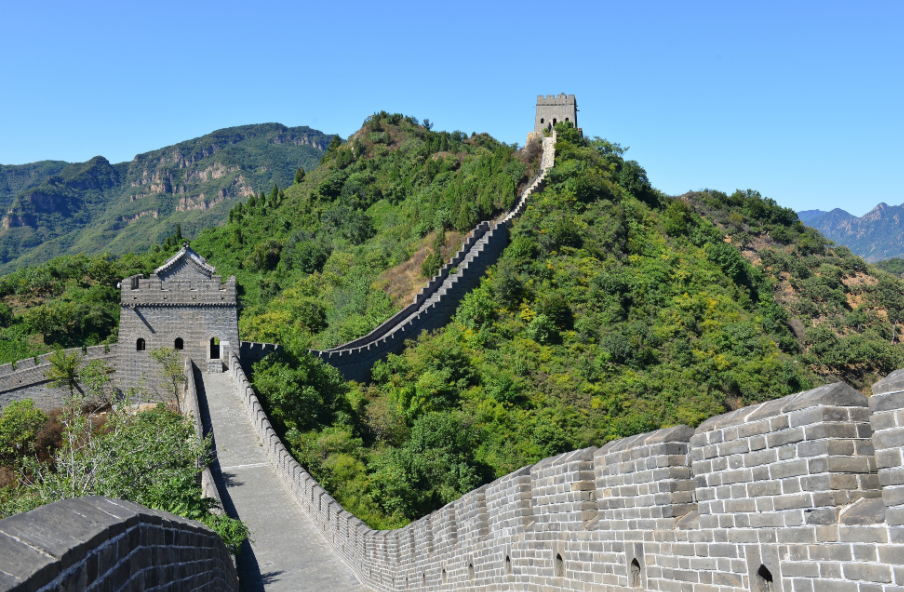
The driving distance to Juyongguan Great Wall is relatively short, about 50 kilometers, with a one-way travel time of 1 to 1.2 hours. It mainly takes the Beijing-Tibet Expressway (G6); exit at Juyongguan (Exit 46) and follow the road signs to the scenic spot. There are 4 parking lots around the scenic area with a total of 784 parking spaces, leading to high parking pressure. Parking spaces are likely to be saturated around 10:30 a.m. every day, so off-peak travel is recommended. The parking fee for cars is 10 yuan per time. After parking, you can walk directly to the scenic entrance without transferring to a shuttle bus. Juyongguan Great Wall is located in a valley with some steep sections. Drive cautiously when ascending the mountain and pay attention to wet roads on rainy days.
Simatai Great Wall is adjacent to Gubei Water Town, suitable for combined tours. The total distance is about 120 kilometers, with a one-way travel time of 2.5 to 3 hours. The route mainly takes the Daguang Expressway and Beijing-Chengde Expressway, with overall smooth road conditions and beautiful scenery along the way. Navigate to “Simatai Great Wall Parking Lot,” where the parking fee is 20 yuan per car. After parking, you can walk to the scenic entrance or take the connecting shuttle bus between Gubei Water Town and Simatai Great Wall. If you plan a night tour of Simatai Great Wall, arrange your return route in advance. The light is dim in the mountains at night; please turn on your car lights and maintain a safe speed.
There are multiple self-driving routes to Huanghuacheng Water Great Wall. It is recommended to take the Beijing-Chengde Expressway and exit at Exit 13, then drive towards Jiuduhe along the road signs, with a total distance of about 80 kilometers and a one-way travel time of 1.8 to 2.2 hours. You can also choose Ansi Road, driving north from Lishuiqiao via Xingshou and Jiuduhe directly, which is suitable for tourists who prefer scenic roads. The scenic parking lot charges 10 yuan per time, with sufficient parking spaces and low saturation risk. There are many rural roads and mountain roads along the way, some of which are narrow. Avoid pedestrians and non-motorized vehicles, and be cautious of falling rocks on rainy days.
General Self-Driving Precautions: First, check the vehicle condition in advance. In summer, focus on inspecting tires, brakes and air conditioning systems to prevent tire blowouts and spontaneous combustion. In winter and rainy days, prepare snow chains and windshield wipers. Fog often occurs on mountain roads; slow down and maintain a safe distance. Second, carry sufficient drinking water and snacks. Prices in the scenic area are relatively high (mineral water costs up to 10 yuan per bottle), so it is recommended to bring a foldable water bag to save space. Third, abide by traffic rules. It is strictly prohibited to occupy emergency lanes on expressways, and random parking for sightseeing on mountain roads is forbidden—illegal parking may result in fines and towing. Fourth, pay attention to parking lot dynamics. During peak seasons, check real-time parking space information through the official scenic WeChat account to avoid returning due to no available spaces. Fifth, prepare emergency items such as a first-aid kit, car charger and flashlight. Mobile phone signals are weak in the mountains; download offline maps in advance to ensure you do not get lost.



暂无评论内容