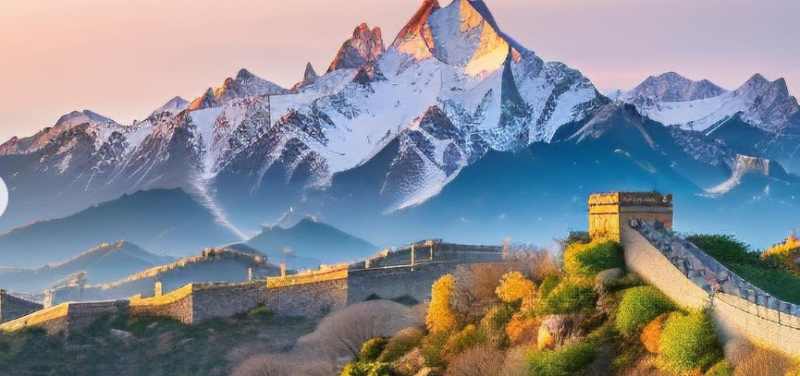





As one of the Seven Wonders of the World, The Great Wall of China boasts a history of over 2,000 years. This guide offers foreign travelers a detailed overview of its development from the Spring and Autumn Period to the Ming Dynasty, recommends core spots like Badaling and Mutianyu, and shares tips on transportation, ticketing, visiting duration and dressing. It helps travelers deeply experience the grandeur of this military defense project and appreciate the profoundness and splendor of Chinese civilization.
As an iconic symbol of Chinese civilization and the longest military defense project in the world, The Great Wall of China attracts countless foreign travelers with its magnificent momentum, long history and profound cultural heritage. Stretching across the mountains in northern China like a sleeping giant dragon, it has witnessed the rise and fall of dynasties, ethnic integration and the changes of times. Listed as a World Heritage Site by UNESCO, it is also hailed as one of the “Seven Wonders of the World.”
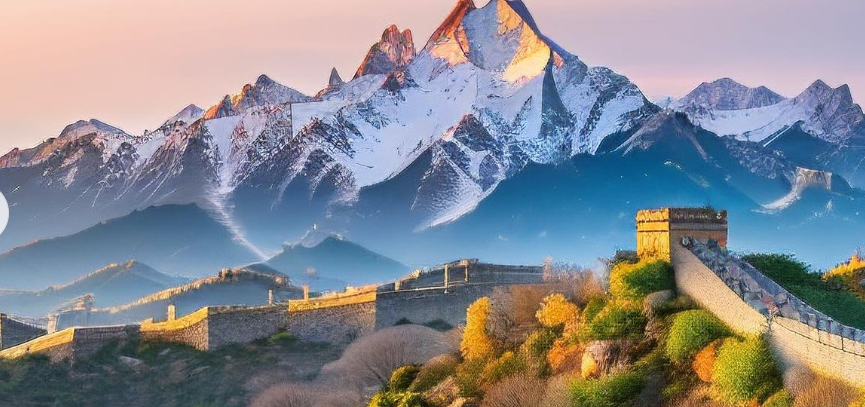
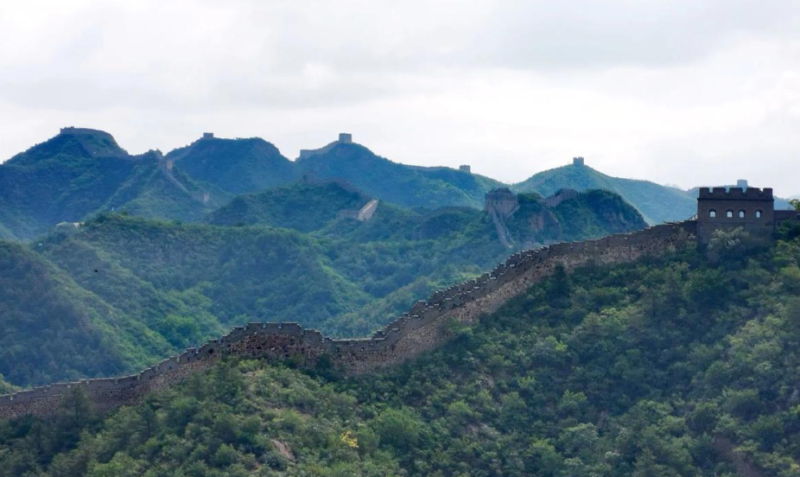
The construction history of The Great Wall dates back to the Spring and Autumn Period. To resist foreign invasions, various vassal states built beacon towers and connected them with city walls, forming the embryonic form of the Great Wall. After unifying the six kingdoms, Emperor Qin Shi Huang connected and renovated the Great Walls of various states, laying the foundation for the Wanli Great Wall. Later, through continuous expansion and reinforcement in dynasties such as the Han and Ming, it finally formed the scale we see today. Among them, the Ming Dynasty was the peak period for Great Wall construction, and most of the well-preserved sections existing today are relics of the Ming Dynasty. With exquisite construction techniques, it is equipped with watchtowers, beacon towers, passes and other defense facilities, combining practicality and artistry, fully demonstrating the wisdom and craftsmanship of ancient Chinese artisans.
For foreign travelers, choosing the right section of the Great Wall is crucial. Different sections have their own characteristics to meet different travel needs. Badaling Great Wall is the most famous section, located in Yanqing District of Beijing. With convenient transportation and complete facilities, it has regular and steep city walls and a broad view, making it the first choice to experience the grandeur of the Great Wall. It is also the section that has received the most foreign heads of state, suitable for first-time visitors with limited time. Mutianyu Great Wall is famous for its beautiful scenery, with a high vegetation coverage rate. It is blooming with flowers in spring and covered with colorful leaves in autumn. With fewer tourists and higher comfort, it also has cable cars and slides, combining leisure and fun, suitable for travelers who love Natural Scenery and pursue niche experiences.
In addition, Simatai Great Wall is known for its “danger”. The city walls wind along the steep mountain slopes, retaining the original style of the ancient Great Wall and full of wild charm, suitable for travelers who love adventure and photography. Jinshanling Great Wall combines the grandeur of Badaling and the beauty of Mutianyu, with dense watchtowers and rich architectural details, making it a paradise for photographers. It should be noted that some wild Great Wall sections are undeveloped, with complex road conditions and potential safety hazards. It is not recommended to go there alone, and it is safer to choose regularly developed sections for visiting.
Travelers to the Great Wall need to make preparations in advance. In terms of transportation, from downtown Beijing, you can choose buses, tourist shuttles, chartered cars or high-speed trains. Among them, tourist shuttles are cost-effective, while chartered cars are more flexible. It is recommended to book tickets online in advance, especially during the peak tourist seasons (April-May, September-October), to avoid waiting in line on site. It is advisable to reserve 3-4 hours for the visit, allocate physical strength reasonably, wear comfortable sports shoes and clothes that are easy to put on and take off. The weather in the mountains is changeable, so you need to check the weather forecast in advance and prepare sun protection and windproof supplies. At the same time, as a world cultural heritage, travelers should consciously protect the cultural relics, not carve on the city walls or litter, and jointly guard this precious cultural treasure.
Walking on the Great Wall, touching the stones that have experienced thousands of years of wind and rain with your fingers, and looking at the magnificent scenery of rolling mountains in the distance, you seem to hear the shouts of ancient soldiers and the bells of camel caravans. It is not only a military project, but also a spiritual symbol of Chinese civilization, carrying the spiritual core of the Chinese nation’s perseverance and self-improvement. Whether you are a history enthusiast, a landscape photographer, or a traveler simply eager to experience a world wonder, the Great Wall will leave you an unforgettable travel memory with its unique charm.










暂无评论内容